Food & Grocery Nuts Peanuts

Organic Raw Peanuts

By Nuts.com

Buy on Nuts.com →

Health & Certification Facts

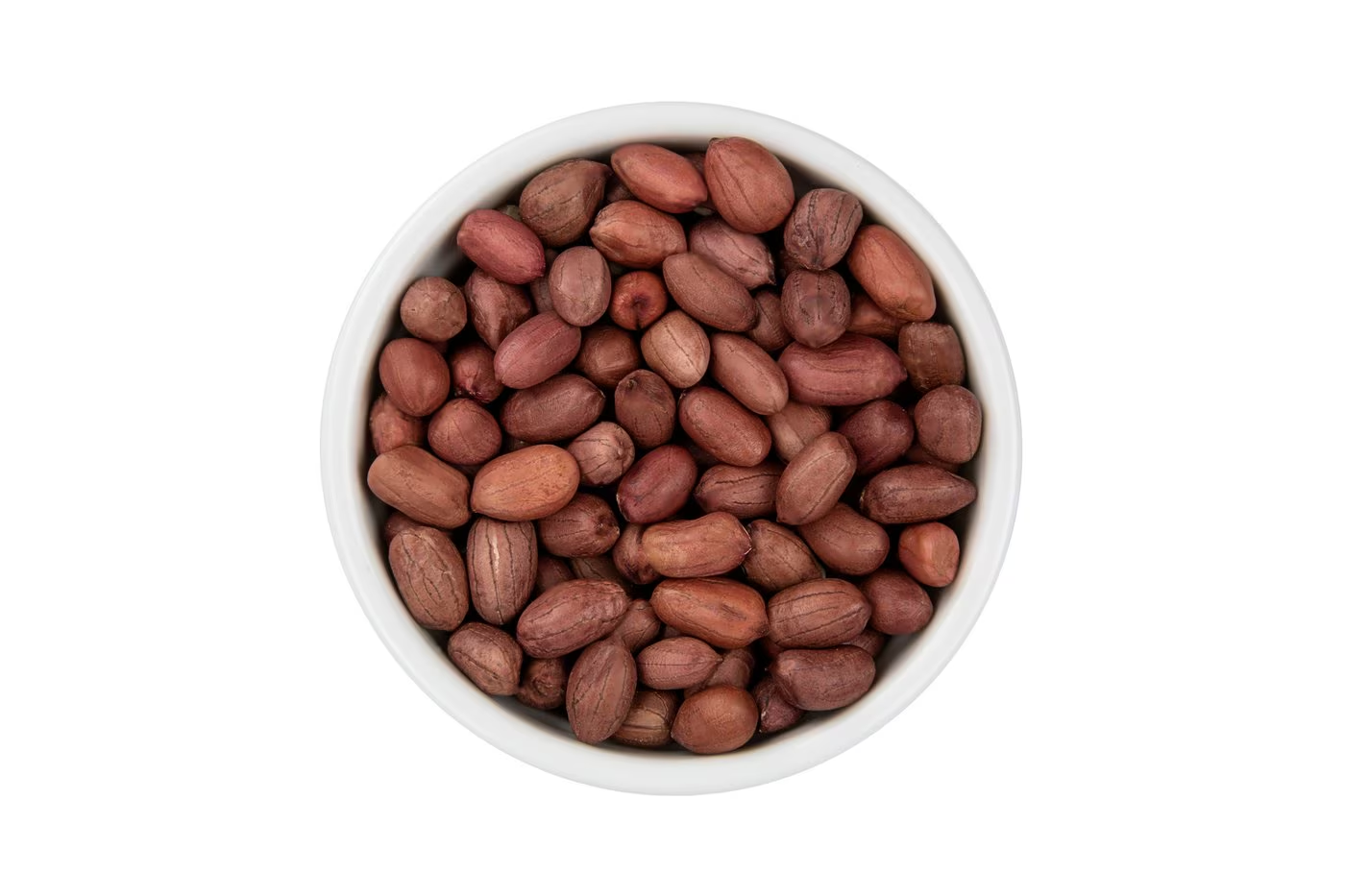
  • Genuinely raw and unroasted — a single-ingredient whole food
  • Single ingredient: organic peanuts (shelled, red skins on). No additives.
  • USDA Certified Organic — certified by California Certified Organic Farmers (CCOF)
  • Additionally Certified Gluten-Free and Kosher Pareve
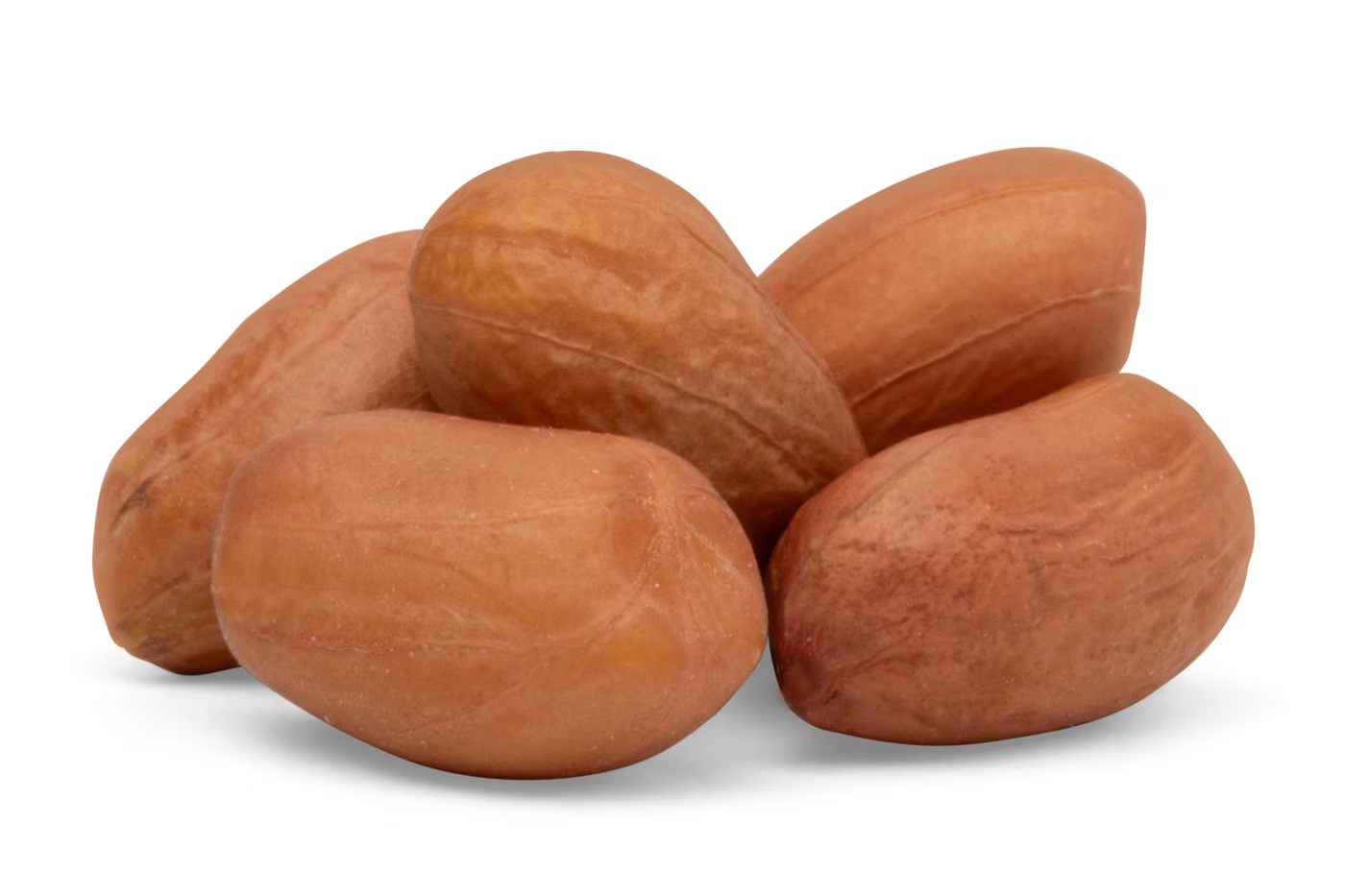
  • Larger and sweeter than standard peanuts, with thin red skins (the classic Valencia-type profile)
  • Grown in Mexico
  • Sold by Nuts.com, a long-running umbrella retailer with strong organic curation
  • Raw and meant to be cooked — the producer recommends roasting or heat treatment before consumption
Buy on Nuts.com →

What the Seal Actually Means

What USDA Organic Certifies — And What It Doesn't

USDA Organic is the most meaningful single purity signal a peanut can carry, and it is also frequently overestimated. Here is exactly what it does and does not promise. It prohibits: synthetic pesticides and herbicides, including glyphosate; synthetic fertilizers; sewage sludge; irradiation; and genetically modified inputs. For a peanut, that is enormous — it is the one certification that directly governs what touches the crop in the field. It does not promise: any specific level of heavy metals such as cadmium, any specific level of aflatoxin, or any independent laboratory testing of the finished product. Certification governs how the crop is grown, not what it absorbs from the soil it grows in or what mold may grow on it after harvest. So an organic peanut still inherits the category-wide cadmium reality and the climate-dependent aflatoxin risk that every peanut carries. We list this product because USDA Organic certification is real and meaningful — and we disclose the gaps it doesn't cover in full below, so you can weigh the whole picture.

Our Evaluation

Why We Chose Nuts.com Organic Raw Peanuts

Nuts.com Organic Raw Peanuts earned the Bonham Gold Label as our trusted-umbrella-retailer pick — a genuinely raw, single-ingredient, USDA Organic peanut that a shopper can buy with confidence without hunting for specialty sellers. There is one ingredient in the bag: organic peanuts. They are certified USDA Organic by California Certified Organic Farmers (CCOF), one of the largest and most respected USDA-accredited certifying agencies in the country. The same product carries two additional third-party seals: Certified Gluten-Free and Kosher Pareve. For a category where most peanuts you can readily buy are anonymous and uncertified, that stack of independent verifications is meaningful.

The peanut itself is what Nuts.com markets as "larger and sweeter than standard peanuts" with thin red skins — the classic Valencia-type profile that home bakers prize for peanut brittle, homemade peanut butter, and baking. The peanuts are grown in Mexico, harvested, and shipped raw without roasting or further processing. Like Hope & Harmony's raw peanuts, they are sold with a clear instruction from the producer: raw peanuts should be roasted or heat-treated before consumption. We appreciate that they say so directly, and there is a quiet upside to it — because cooking substantially reduces aflatoxin, the real-world exposure from a cooked-before-eating raw peanut is lower than the raw figure alone would suggest.

Where this product is strong, it is strong on certifications and accessibility: USDA Organic (CCOF) prohibits synthetic pesticides and GMO inputs; the additional gluten-free and kosher certifications add independent verification on those axes; and Nuts.com's long-running curation makes the product reliably available. Where it is unproven, we say so plainly. USDA Organic certifies how the crop is grown, not its heavy-metals or aflatoxin levels — those are not what the seal covers. The product page carries a California Proposition 65 notice for lead, and Mexico's warm, humid growing climate is not the dry climate associated with naturally low aflatoxin in raw peanuts. No independent third-party Certificate of Analysis has been published for this product's actual contaminant levels.

We chose it because the strengths are real and verifiable, the gaps are honestly disclosable, and a shopper looking for a reliable organic raw peanut from a trusted retailer is genuinely well served here. For perspective: these are among the best organic raw peanuts a US shopper can readily buy, and while genuinely cleaner peanuts exist abroad — Australia's certified-organic, low-cadmium Greenacres crop chief among them — they do not distribute to the United States.

Per Nuts.com

  • Genuinely raw and unroasted — a single-ingredient whole food
  • Shelled, with red skins on; larger and sweeter than standard peanuts (the classic Valencia-type profile)
  • USDA Certified Organic, certified by California Certified Organic Farmers (CCOF) — a leading USDA-accredited certifier
  • Additionally Certified Gluten-Free and Kosher Pareve
  • Origin: Mexico
  • Single ingredient: organic peanuts. No additives or preservatives.
  • The producer recommends raw peanuts be roasted or heat-treated before consumption
Buy on Nuts.com →

Transparency Flags — What Has Not Been Independently Verified

  • No independent third-party laboratory Certificate of Analysis (Lead Safe Mama, LLC or equivalent) has been published for aflatoxin, heavy-metal, or pesticide-residue levels for this specific product
  • Mexico's warm, humid climate is a higher-risk environment for aflatoxin in a raw peanut — though the recommended cooking before eating substantially reduces it
  • The product page lists a California Proposition 65 notice for lead — we give heavy metals their own full disclosure below
  • Cadmium is present in all peanuts as a ground crop — the same category-wide reality
  • Nuts.com is an umbrella retailer; traceability is to country of origin (Mexico) rather than to a single named farm or cooperative
  • Plastic stand-up pouch packaging — noted under Microplastics below; not a packaging style we score as exceptional

These are honest gaps in the verification record — not confirmed failures. This product earned Gold Label on the strength of its genuinely raw single-ingredient form, real organic certification (CCOF) plus additional third-party seals, and its accessibility through a long-trusted retailer. We disclose the gaps fully so you can weigh them for yourself.
Disclosure

Nuts.com sells these peanuts directly through their own site. It was selected purely on merit, like every Gold Label product. (Where affiliate links do appear elsewhere on this site, they are disclosed as such.)

Bonham Gold Label Evaluation

Purity Profile

Aflatoxin 2/5
The defining purity question for any raw peanut. Mexico's warm, humid climate is not the dry climate associated with naturally low aflatoxin in raw peanuts, there is no roasting step in the raw product, and no independent Certificate of Analysis has been published. Scored 2 for the raw product as sold. Real-world exposure is meaningfully lower in practice, because the producer recommends cooking before eating and cooking substantially reduces aflatoxin.
Ingredients & Additives 5/5
A single ingredient: organic peanuts. No oil, no salt, no preservatives, no additives of any kind. One of the cleanest ingredient lists possible for any packaged food.
Naturalness & Purity 4/5
Genuinely raw and unprocessed — peanuts shipped in their harvested state with the red skins intact, no roasting, no oil, no industrial processing. Scored 4 rather than 5 only because no independent third-party purity testing has been published for the product.
Pesticides 4/5
USDA Organic, certified by CCOF, which prohibits synthetic pesticides and herbicides including glyphosate — the meaningful protection on this axis, and the reason organic certification matters for peanuts. Scored 4 rather than 5 because there is no independent third-party pesticide residue Certificate of Analysis published for the product.
Heavy Metals 2/5
Peanuts are a ground crop and take up trace cadmium (and some lead) from soil — a category-wide reality, not a defect of this brand — and the product page lists a California Proposition 65 lead notice. No independent Certificate of Analysis exists for this product's actual levels. This score reflects that data absence plus the category's known profile, not a confirmed dangerous level. See our full disclosure below.
Third-Party Verification 3/5
A stronger verification stack than most peanuts carry: USDA Organic certified by CCOF (a leading USDA-accredited certifier), plus Certified Gluten-Free, plus Kosher Pareve — three independent third-party certifications on the same product. Scored 3 rather than higher because there is no additional contaminant-testing program — no published or stated lab-testing protocol — beyond those certifications.
Transparency 3/5
Nuts.com is open about what they sell: country of origin (Mexico) is listed on the product page, certifications are clearly displayed, the California Proposition 65 lead notice is disclosed directly, and the safety instruction to cook raw peanuts before eating is stated plainly. Scored 3 rather than higher because they are an umbrella retailer — traceability is to a country, not to a single named farm or cooperative — and no independent contaminant testing is published.
Microplastics 2/5
The product ships in a plastic stand-up pouch, and any plastic in contact with food carries a microplastic-transfer concern we cannot fully quantify. No glass or paper option is offered. This is not packaging we score as exceptional; transferring the peanuts to a glass jar after opening is a reasonable practice for those minimizing plastic contact.

Contaminant Status

What We Know About This Product

A transparent breakdown of every contaminant category and what is known — or not known — about this specific product.

Aflatoxins & Mold
The key contaminant question for any raw peanut. Mexico is a warm, humid growing region — higher-risk than dry climates — and no independent Certificate of Analysis has been published for this product. The important mitigation: the producer recommends roasting or heat treatment before consumption, and cooking substantially reduces aflatoxin, so the intended-use exposure is lower than the raw figure alone suggests. Store in a cool, dry place before cooking.
Heavy Metals (Cadmium & Lead)
Peanuts are a ground crop and take up trace cadmium, and some lead, from soil — true of all peanuts, not specific to this product. The Nuts.com product page lists a California Proposition 65 lead notice. No independent Certificate of Analysis exists for this product's actual levels, so we cannot state measured numbers. This is a category-wide reality disclosed honestly, not a confirmed dangerous level. See the full disclosure below.
Pesticides & Glyphosate
USDA Organic, certified by CCOF, prohibits synthetic pesticides and herbicides including glyphosate — the meaningful protection on this axis, and the reason organic certification matters for peanuts. A non-GMO label alone provides no pesticide protection. No independent third-party residue Certificate of Analysis is published, but organic certification coverage makes residue risk meaningfully low.
GMO
Non-GMO by the standard of its USDA Organic / CCOF certification, which prohibits genetically modified inputs. Worth knowing: no commercially approved GMO peanut exists anywhere in the world, so a "non-GMO" label on any peanut is true but not a point of differentiation. The organic certification is the assurance that actually carries weight here.
Microplastics
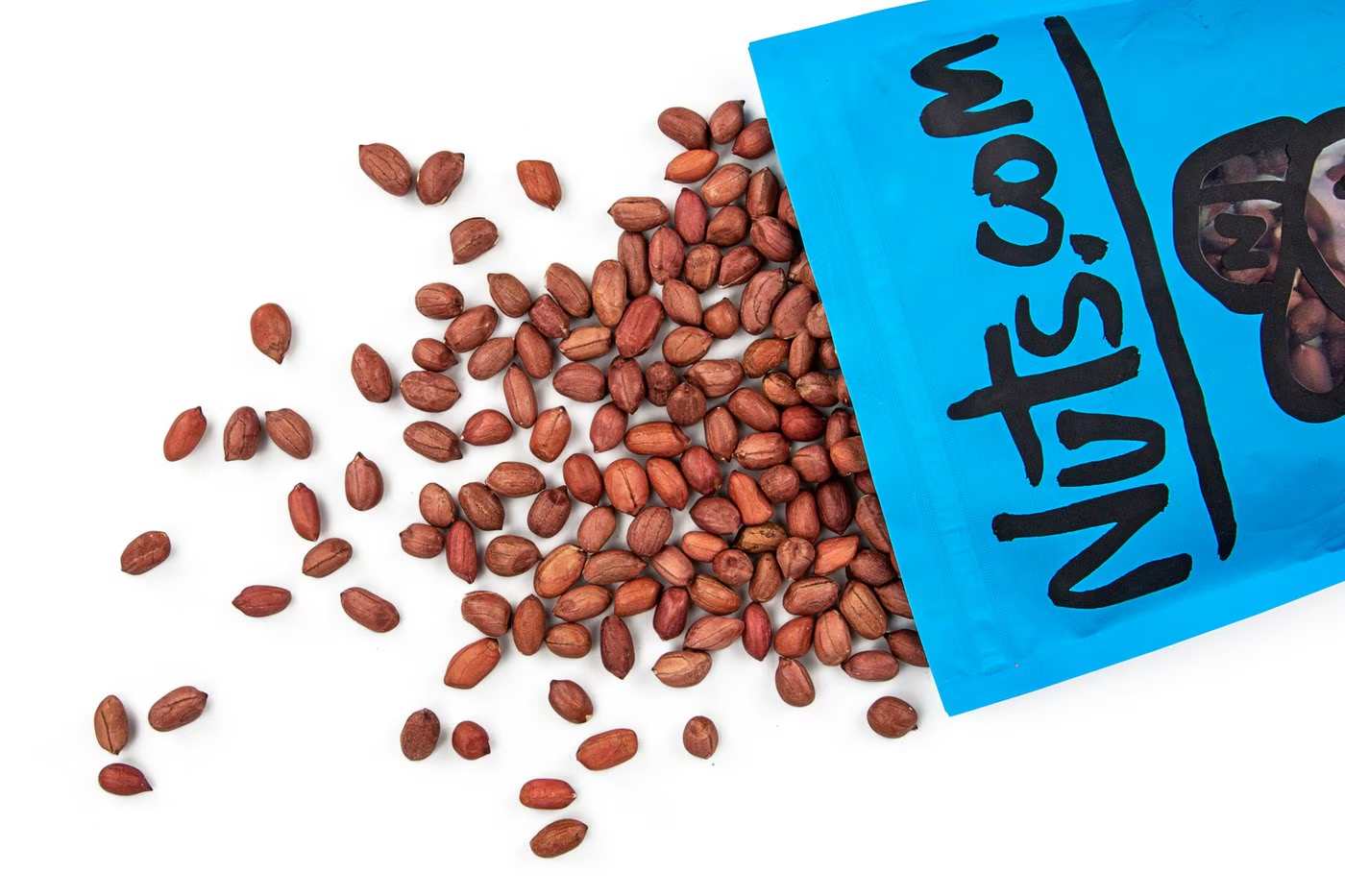
The peanuts ship in Nuts.com's signature blue plastic stand-up pouch. Any plastic in contact with food carries a microplastic-transfer concern we cannot fully quantify. No glass or paper option is offered. This is not packaging we score as exceptional; transferring the peanuts to a glass jar after opening is a reasonable step for those minimizing plastic contact.
Sourcing & Traceability
Country of origin is disclosed (Mexico) and certifications are clearly published, but Nuts.com is an umbrella retailer — traceability is to a country and a certifier, not to a single named farm or cooperative. Strong on the certification stack and on retailer accountability; lighter on farm-level provenance than a direct-from-farm peanut.

Full Disclosure

Heavy Metals in This Peanut — Everything We Know, and Don't

The Nuts.com product page lists a California Proposition 65 warning for this product, stating that consuming it can expose you to chemicals including lead. This is California-required labeling, not an admission by Nuts.com of a specific problem with this peanut. The underlying biology behind that warning is something every peanut shares, and here is how it does, does not, and may be unknown to relate to this one specifically.

How It Does Relate

  • Peanuts grow underground, and their roots take up trace heavy metals — especially cadmium, and to a lesser degree lead — from soil. This is a documented, structural feature of all peanuts, not a defect of this brand.
  • Independent testing by Lead Safe Mama, LLC has found measurable cadmium in every peanut and peanut-butter product tested. A trace-heavy-metals notice is therefore consistent with what is genuinely expected of any peanut.

How It May Not Relate the Way the Wording Implies

  • Proposition 65's warning thresholds are set far below federal safety limits, and a warning can be triggered by trace amounts that may pose no meaningful health risk.
  • The warning is generic — it states no measured level and does not indicate this product is elevated or unsafe relative to other peanuts. A very large number of natural whole foods carry the identical notice for the same reason.

What Is Unknown

  • No independent laboratory has published a Certificate of Analysis for this specific product's cadmium or lead levels — Lead Safe Mama has not tested Nuts.com Organic Raw Peanuts. We therefore cannot give you the actual measured numbers, and we will not guess.
  • Mexican soil's specific effect on metal uptake for the farms supplying this product is undocumented: there is no evidence it is lower, and no reason to assume it is higher, than other peanuts grown in similar climates.

The honest bottom line, which applies to every peanut we list: we assume all peanuts carry some cadmium, because they are a ground crop and the testing that exists supports that assumption. The only documented tested-low exception is Australia's Greenacres, grown under a national low-cadmium program — and that product is not sold to US consumers. We would rather tell you this plainly than let any label imply a purity that no peanut can currently prove.

Ready to Try Nuts.com Organic Raw Peanuts?

A genuinely raw, single-ingredient, USDA Organic peanut from a trusted umbrella retailer — honestly evaluated, fully disclosed. Sold direct on nuts.com, and meant to be cooked at home.

Buy on Nuts.com →