By Foods Alive
Buy Direct →Health & Certification Facts
Why Aflatoxin Matters
Aflatoxin is a toxin produced by molds that grow on peanuts, and it is the single most important purity question for any raw peanut. Here is why "raw" changes the math: roasting reduces aflatoxin substantially, so a roasted peanut carries far less of it than the same peanut eaten raw. A raw, unroasted peanut has no such safety step — which means the variety, the growing climate, and the care taken in drying and handling carry the entire weight. The mold that produces aflatoxin thrives in warm, humid conditions, so peanuts grown in dry or temperate regions tend to be lower-risk, while those from hot, humid origins tend to be higher. One misconception worth correcting: organic certification does not lower aflatoxin — organic peanuts can carry just as much as conventional ones, sometimes more, because certification governs how a crop is grown, not the mold that may grow on it after harvest. We hold every peanut we evaluate to this lens, and we tell you plainly what is known, claimed, or unverified about each one.
Our Evaluation
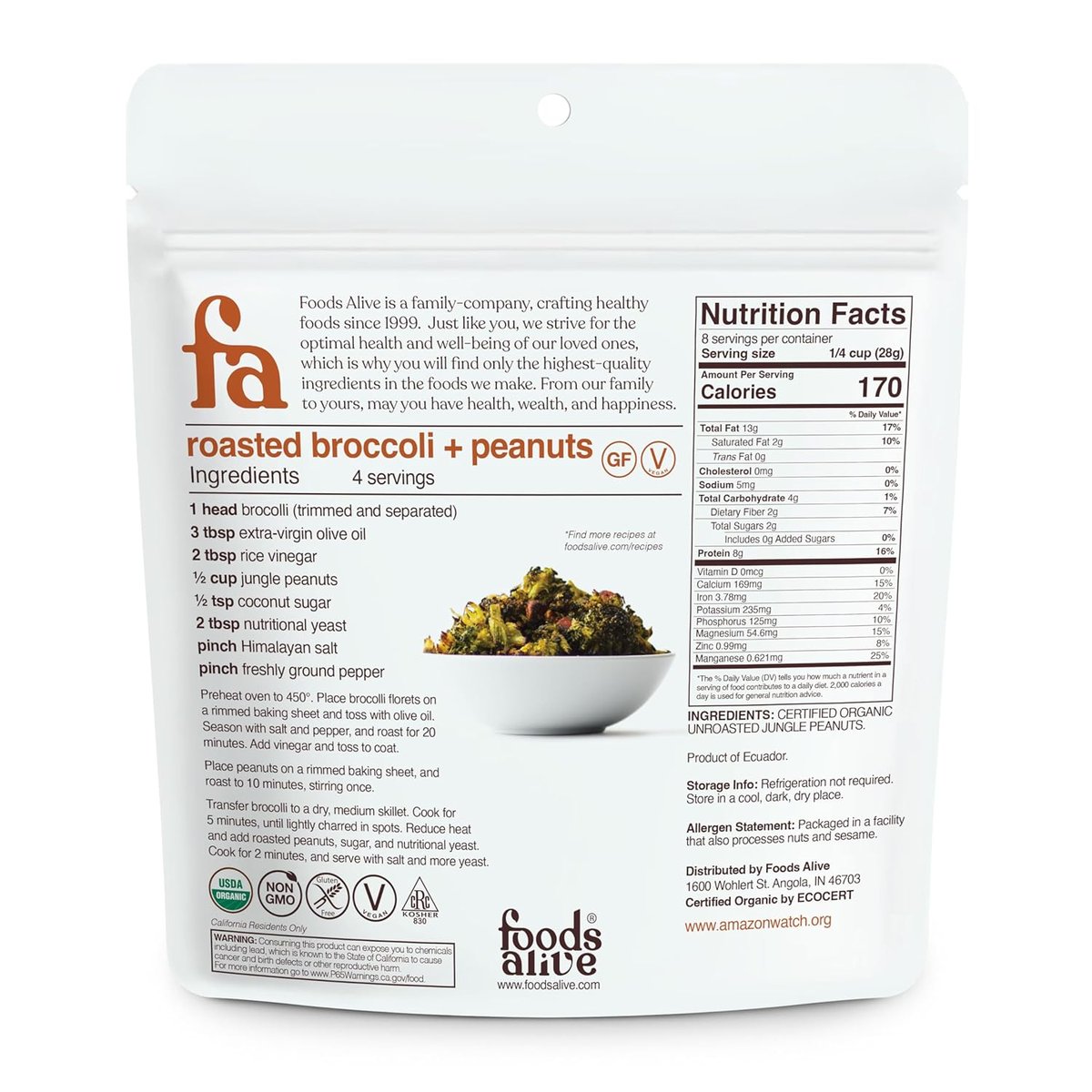
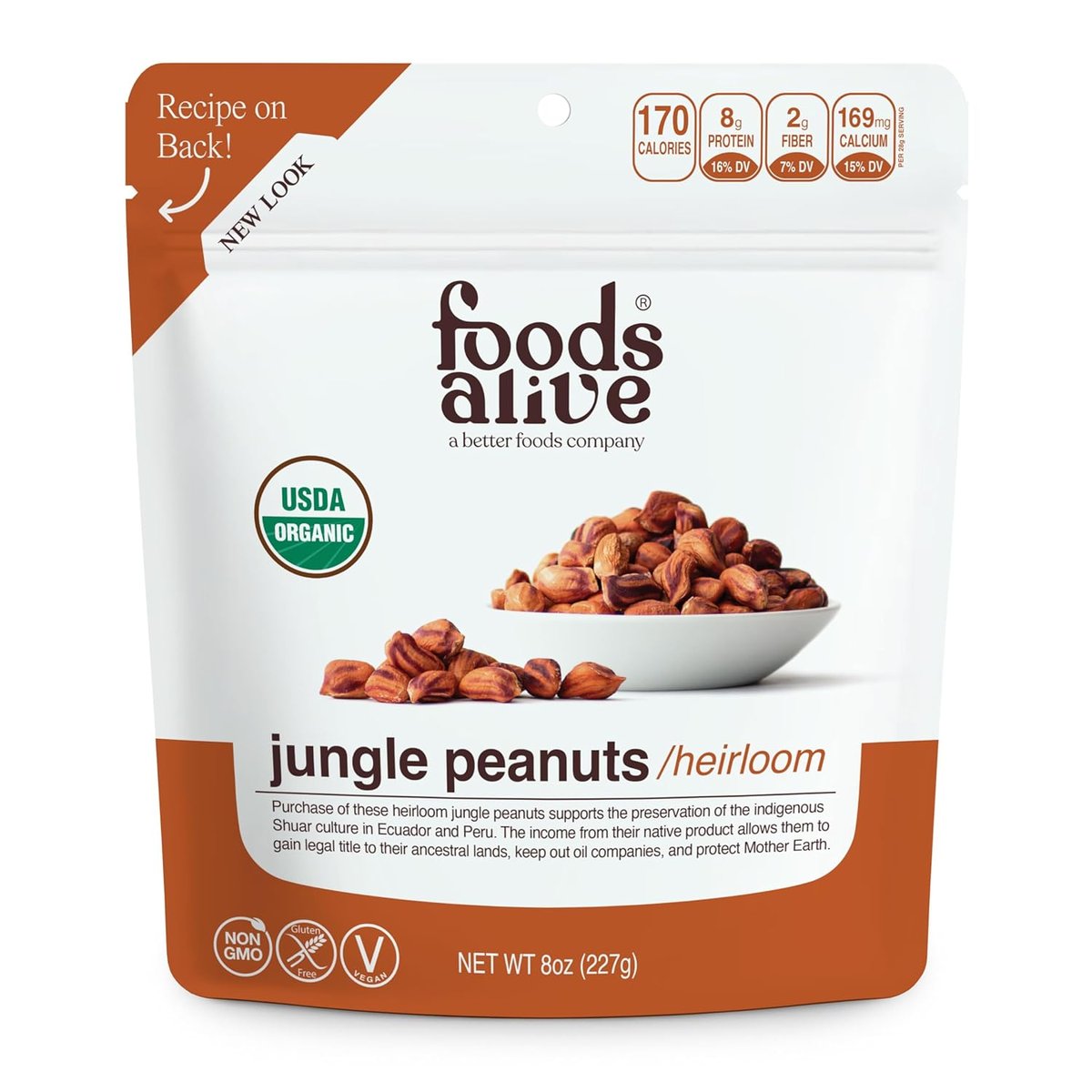
Foods Alive Organic Jungle Peanuts earned the Bonham Gold Label because they are, quite simply, the most natural peanut we could find — a genuinely raw, single-ingredient, certified-organic peanut with a sourcing story almost nothing else in the category can match. There is one ingredient in the bag: certified organic, unroasted jungle peanuts. No oil, no salt, no preservatives, no processing aids. They are certified USDA Organic through ECOCERT, which means no synthetic pesticides or fertilizers — and non-GMO by the definition of that certification.
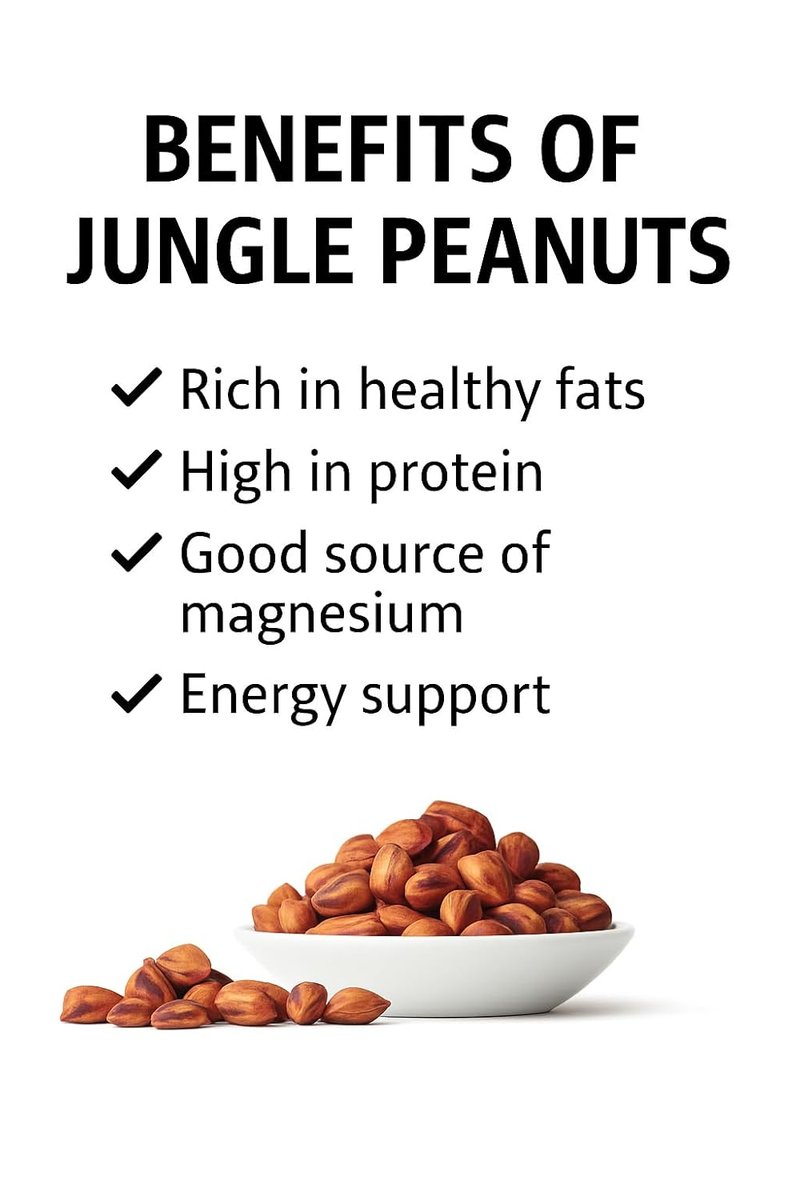
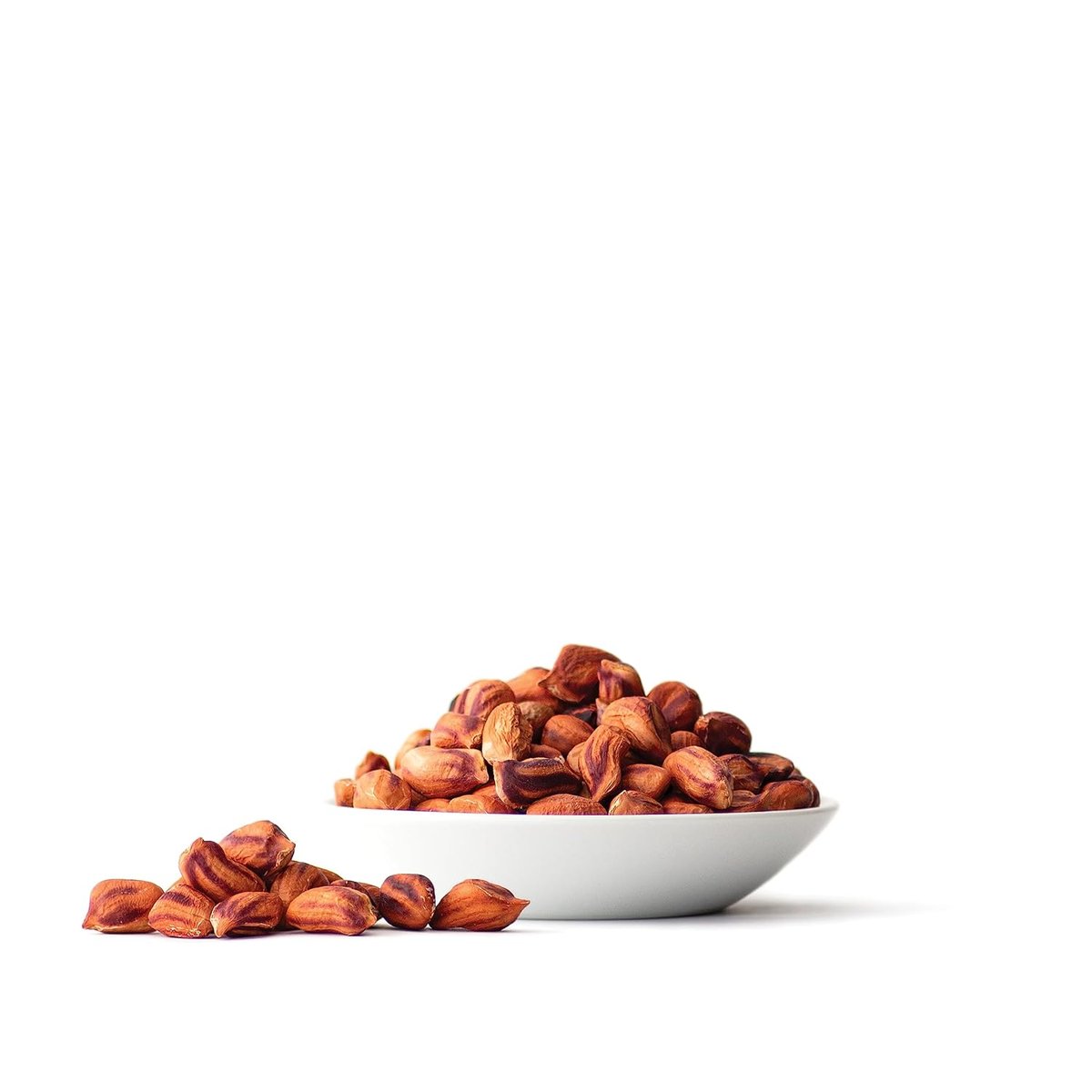
What sets them apart is the peanut itself. Jungle peanuts are an heirloom variety — long, lean, and marked with a deep chocolate-colored stripe — widely believed to be among the ancestral peanuts from which today's commercial varieties descend. They are wild-harvested by the indigenous Shuar people in the Amazon rainforest near the Ecuador–Peru border, then flown out on small planes. Purchasing them supports the Shuar's effort, coordinated with Amazon Watch, to hold legal title to their ancestral land and keep oil development out. Nutritionally they are a standout: a complete protein with all the essential amino acids including methionine, plus heart-healthy oleic acid, vitamin E, magnesium, calcium, and iron. The flavor is richer and more aromatic than a conventional peanut — the taste of a food that has not been industrially refined.
Foods Alive markets these peanuts as "aflatoxin-free," and that deserves an honest, careful explanation rather than a simple repetition. Aflatoxin matters more in raw peanuts than roasted ones, because there is no roasting step to reduce it — so variety, climate, and handling carry the full weight. There is some anecdotal support for jungle peanuts testing very low, and a wild heirloom crop is plausibly different from commodity peanuts. But we will not present "aflatoxin-free" as verified fact, for two honest reasons: it is the producer's own claim, not an independent laboratory Certificate of Analysis, and the Amazon rainforest is a warm, humid environment — the opposite of the dry climate that keeps peanuts naturally low in aflatoxin. We trust Foods Alive's organic certification at face value, as our standard allows; but a strong contaminant claim without published testing is something we flag rather than echo.
Where this product is strong, it is strong on substance: real organic certification from a recognized certifier, the cleanest possible ingredient list, a transparent and ethical supply chain, and a peanut about as close to its natural state as a peanut gets. Where it is unproven, we say so plainly — there is no independent heavy-metals or aflatoxin testing for this specific product, and we detail exactly what that means below. We chose it because the strengths are real and verifiable and the gaps are honestly disclosable. For perspective: these are among the best peanuts a US shopper can actually buy, and while genuinely cleaner peanuts exist abroad — Australia's certified-organic, low-cadmium crop chief among them — they do not distribute to the United States.
Per Foods Alive
Transparency Flags — What Has Not Been Independently Verified
These are honest gaps in the verification record — not confirmed failures. The product earned Gold Label on the strength of its genuinely raw single-ingredient form, real organic certification, exceptional heirloom sourcing, and full transparency. We disclose the gaps fully so you can weigh them for yourself.
Bonham Gold Label Evaluation
Contaminant Status
A transparent breakdown of every contaminant category and what is known — or not known — about this specific product.
Full Disclosure
The package carries a California Proposition 65 warning stating that consuming the product can expose you to chemicals including lead. This is California-required labeling, not a Foods Alive admission of a specific problem. Foods Alive addresses it directly and honestly: they explain that a Proposition 65 warning simply informs customers that any amount of lead or cadmium might be present, that because they sell to customers in California and some products contain trace amounts they are required to post it, and that it does not mean the product is dangerous — adding that for most of their products the levels are so low they cannot be measured by equipment designed to detect dangerous levels. Here is how that warning does, does not, and may be unknown to relate to this peanut.
How It Does Relate
How It May Not Relate the Way the Wording Implies
What Is Unknown
The honest bottom line, which applies to every peanut we list: we assume all peanuts carry some cadmium, because they are a ground crop and the testing that exists supports that assumption. The only documented exception is Australia's Greenacres, grown under a national low-cadmium program — and that product is not sold to US consumers. We would rather tell you this plainly than let an organic label imply a purity that no peanut can currently prove.
A genuinely raw, single-ingredient, USDA Organic heirloom peanut, wild-harvested in the Amazon. Honestly evaluated, fully disclosed — the peanut as close to its natural state as it comes.
Buy Direct →