By Hope & Harmony Farms (formerly Royal Oak Peanuts)
Buy Direct from the Farm →Health & Sourcing Facts
An Honest Distinction
These peanuts are non-GMO, and that is worth understanding precisely — because non-GMO and organic are often treated as if they mean the same thing, and they do not. A non-GMO claim certifies only one thing: that the crop was not genetically engineered. It says nothing about how the crop was sprayed. Organic certification is a far more demanding standard — it prohibits synthetic pesticides and herbicides, including glyphosate, entirely. A non-GMO peanut can still have been grown with conventional synthetic crop chemicals. So when you see "non-GMO" on a conventionally grown peanut, it is a true and meaningful statement about genetics, but it is not the pesticide guarantee that organic certification provides. We are telling you this up front because Hope & Harmony's raw peanuts are non-GMO and conventionally grown — not certified organic — and we would rather explain exactly what that does and does not mean than let a label do the talking. Why we chose them anyway comes down to something organic certification cannot provide: complete, farm-level traceability.
Our Evaluation
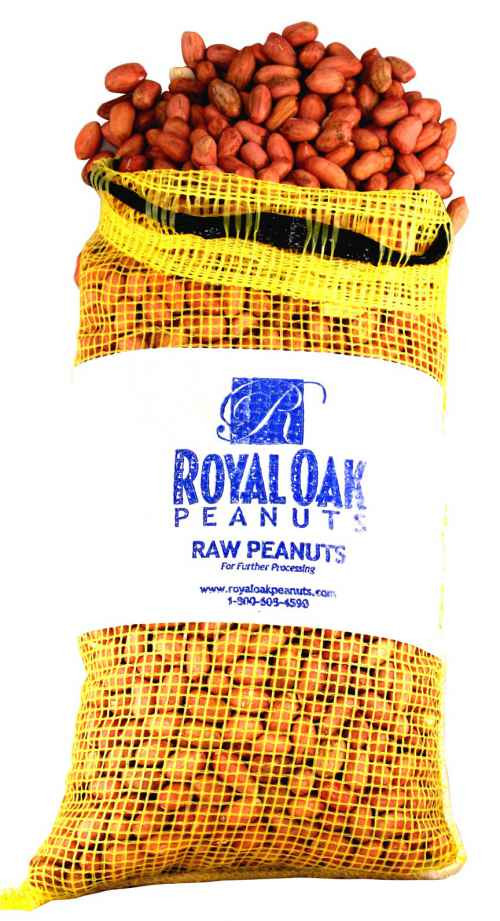
We chose Hope & Harmony Farms Raw Virginia Peanuts for something organic certification cannot provide: complete, farm-level traceability. These are genuinely raw, single-ingredient peanuts grown by the Pope family — fourth-generation peanut farmers in Drewryville, Virginia, on land their family has farmed since the late 1800s. The company was known for decades as Royal Oak Peanuts, the name still on the bag. When you buy these, you know precisely who grew them and where, down to a named family and a phone number you can call. In a category dominated by anonymous commodity sourcing, that kind of transparency is rare and genuinely valuable.
Now the honest part, stated plainly: these peanuts are non-GMO, but they are conventionally grown — not certified organic. As we explain above, non-GMO is a claim about genetics, not about pesticides, and a conventional crop can be grown with synthetic herbicides. This is the real trade-off of choosing Hope & Harmony over an organic pick, and we are not going to paper over it. If certified-organic pesticide protection is your single most important criterion, our organic peanut picks serve that better. What Hope & Harmony offers instead is provenance — a real American family farm you can see, name, and trust — and a genuinely raw, additive-free, single-ingredient product.
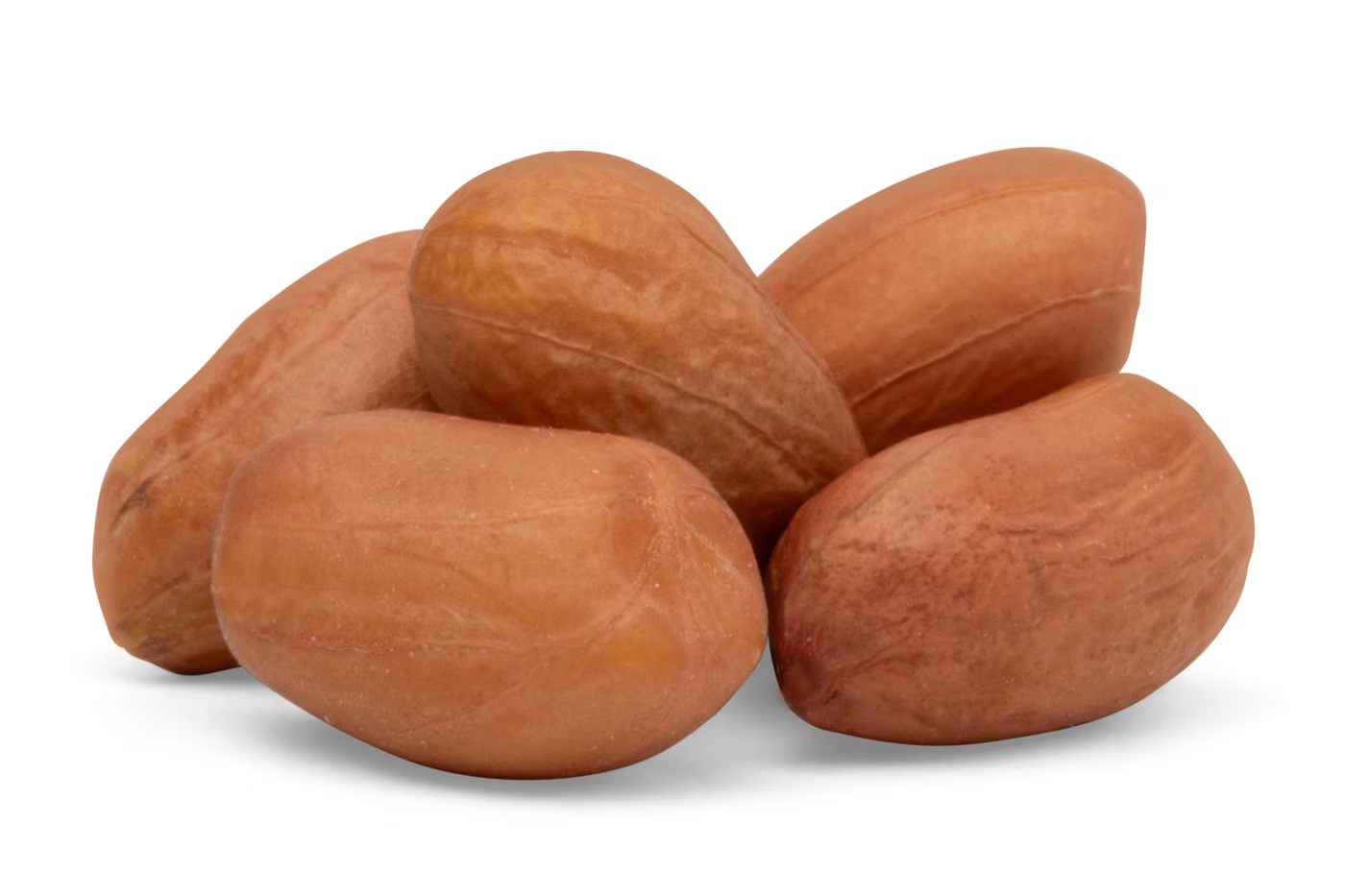
These are Virginia jumbo peanuts, the largest variety grown and long prized by gourmets for their size and flavor. They are sold raw and, importantly, meant to be cooked: the producer states plainly that raw peanuts should be cooked before eating, and they are ideal for home boiling or roasting. We appreciate that they say so directly rather than implying a raw peanut is a ready-to-eat snack. There is a quiet upside here too — because these are cooked before eating, and cooking substantially reduces aflatoxin, the real-world aflatoxin exposure is lower than the raw figure alone would suggest.
Where this product is unproven, we say so. There is no independent third-party Certificate of Analysis for its pesticide, aflatoxin, or heavy-metal levels, and Virginia's warm, humid climate is a higher-risk environment for aflatoxin in a raw peanut. Like all peanuts, they are a ground crop that takes up trace cadmium. We detail all of this below. We chose them because the central thing they offer — verifiable provenance from a transparent, multi-generational family farm — is real, and the trade-offs are honestly disclosable. For perspective: these are among the best traceable peanuts a US shopper can buy, and while genuinely cleaner peanuts exist abroad — Australia's certified-organic, low-cadmium crop chief among them — they do not distribute to the United States.
Per Hope & Harmony Farms
Transparency Flags — What Has Not Been Independently Verified
These are honest gaps — not confirmed failures. This product earned Gold Label on a different axis from our organic picks: genuinely raw and additive-free, with complete, verifiable provenance from a transparent fourth-generation family farm. We disclose the trade-offs fully so you can weigh them for yourself.
Disclosure
Hope & Harmony Farms sells these peanuts directly from their own farm. It was selected purely on merit, like every Gold Label product. (Where affiliate links do appear elsewhere on this site, they are disclosed as such.)
Bonham Gold Label Evaluation
Contaminant Status
A transparent breakdown of every contaminant category and what is known — or not known — about this specific product.
Full Disclosure
This applies to every peanut, not just this one, so we want to be plain about it. Peanuts grow underground, and their roots take up trace heavy metals — especially cadmium, and to a lesser degree lead — from soil. It is structural to the crop, not a defect of this farm. We did not find an independent Certificate of Analysis or a published heavy-metals figure for this specific product, so here is exactly what does, may not, and is not yet known about it.
What Is True of All Peanuts, Including These
What This Does Not Mean
What Is Unknown
The honest bottom line, which applies to every peanut we list: we assume all peanuts carry some cadmium, because they are a ground crop and the testing that exists supports that assumption. The only documented tested-low exception is Australia's Greenacres, grown under a national low-cadmium program — and that product is not sold to US consumers. We would rather tell you this plainly than let any label imply a purity that no peanut can currently prove.
Genuinely raw, single-ingredient Virginia jumbo peanuts from a fourth-generation family farm — honestly evaluated and fully disclosed. Sold direct from the farm, and meant to be cooked at home.
Buy Direct from the Farm →