Why We Chose It
The Bonham Conclusion
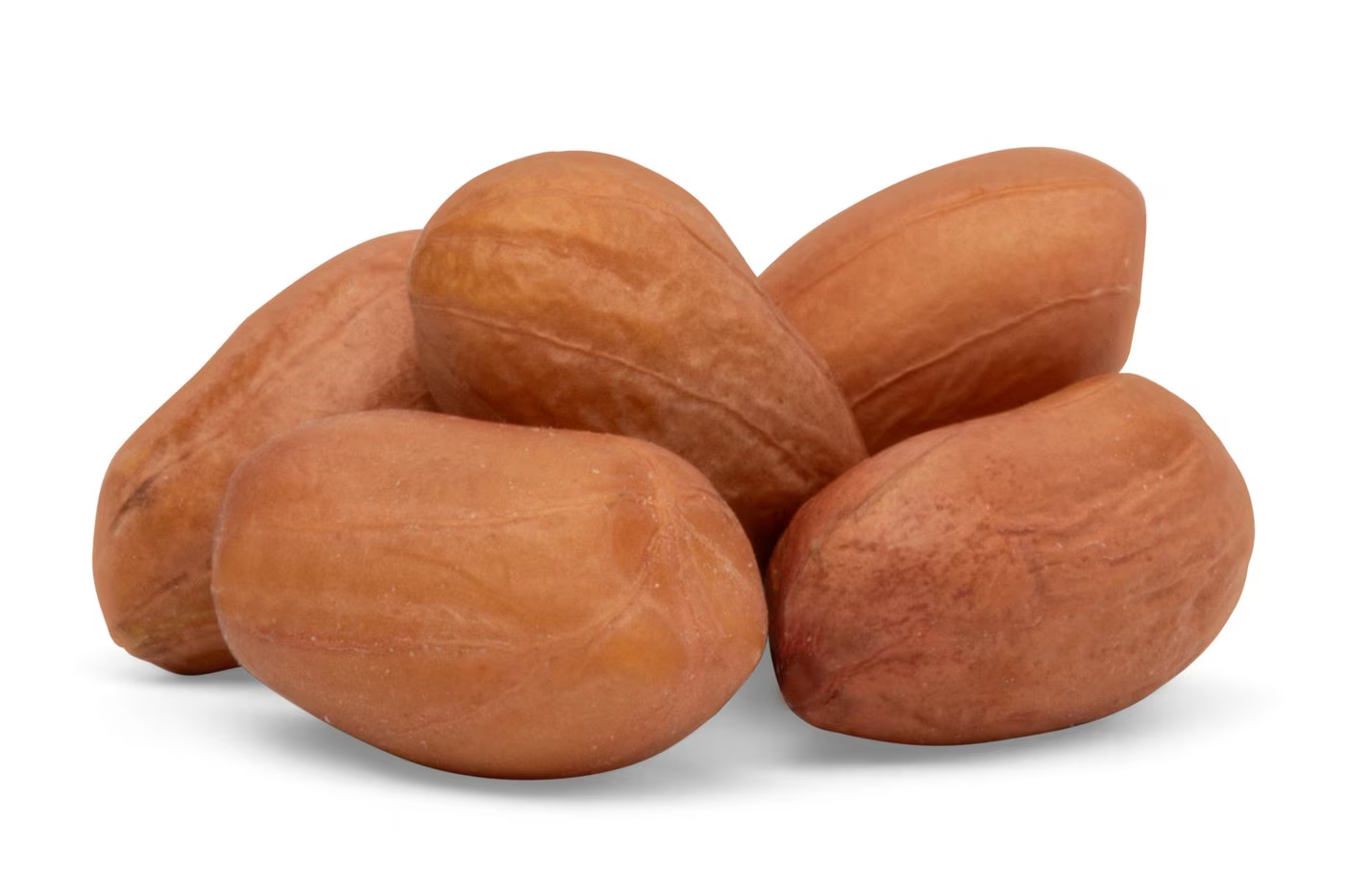
We chose Nuts.com Organic Raw Peanuts as the trusted-umbrella-retailer pick in our peanut category — the option for a shopper who wants a genuinely organic raw peanut without hunting for specialty sellers. There is one ingredient in the bag: organic peanuts. They are certified USDA Organic by California Certified Organic Farmers (CCOF), one of the largest and most respected USDA-accredited certifying agencies in the country. The same product also carries Certified Gluten-Free and Kosher Pareve seals — three independent third-party certifications on the same package, which is well above what most peanuts you can buy actually have.
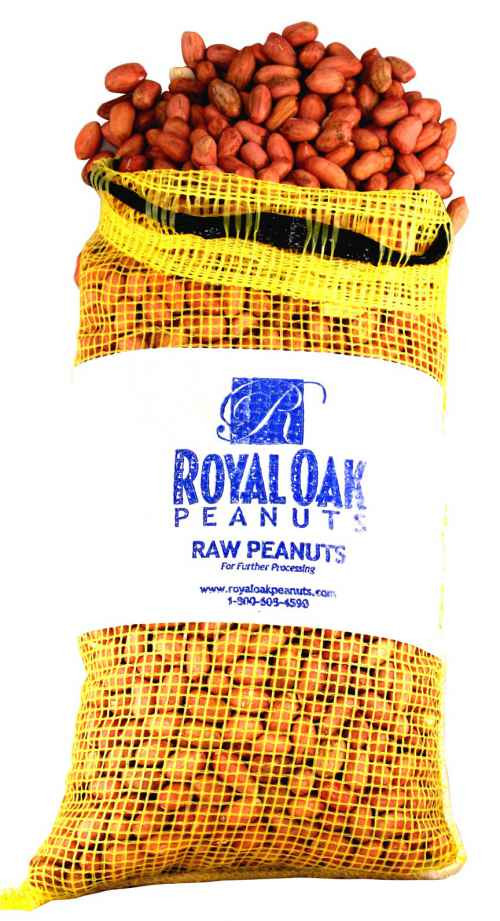
The peanut itself is what Nuts.com markets as "larger and sweeter than standard peanuts," with thin red skins on — the classic Valencia-type profile that bakers prize for peanut brittle, homemade peanut butter, and recipes. They are grown in Mexico, shipped raw and unroasted, and the producer states plainly that raw peanuts should be roasted or heat-treated before consumption. We appreciate the direct safety language, and there is a quiet upside to it: cooking substantially reduces aflatoxin, so the real-world exposure from a cooked-before-eating raw peanut is lower than the raw figure alone would suggest.
We are being transparent about what USDA Organic does and does not promise — because it is one of the most misunderstood seals on a food package. Organic certification prohibits synthetic pesticides, synthetic fertilizers, sewage sludge, irradiation, and GMO inputs. It governs how the crop is grown. It does not promise specific levels of heavy metals such as cadmium, or specific levels of aflatoxin, or any independent laboratory testing of the finished product. So an organic peanut still inherits the category-wide cadmium reality and the climate-dependent aflatoxin risk that every peanut carries. The Nuts.com product page itself lists a California Proposition 65 lead notice, and Mexico's warm, humid climate is not the dry climate associated with naturally low aflatoxin. We lay all of that out in full below.
Despite those open questions, these peanuts earned the Bonham Gold Label because the strengths are real and verifiable — a strong third-party certification stack, the cleanest possible ingredient list, a reliably available retailer with serious organic curation — and the gaps are honestly disclosable. For perspective: these are among the best organic raw peanuts a US shopper can readily buy. Genuinely cleaner peanuts exist abroad — Australia's certified-organic, low-cadmium Greenacres crop chief among them — but they do not distribute to the United States.
Who They Are
Nuts.com — A Trusted Umbrella Retailer with Real Organic Curation
Nuts.com is a long-running family business that started in 1929 as the Newark Nut Company — a small storefront opened by Sol "Poppy" Braverman at Newark, New Jersey's Mulberry Street open-air market. Three Braverman generations later, it has grown into one of the most widely used online sources for nuts, dried fruit, seeds, and specialty pantry items. The business went online in 1999 as NutsOnline.com, then secured the Nuts.com domain in 2012; the family still owns and runs it from Cranford, New Jersey. The core of the operation has always been the same: select inventory carefully, package it freshly, and ship it directly to the customer.
Their organic certification is the part that matters most to us. Nuts.com's organic products are certified by California Certified Organic Farmers (CCOF), a leading USDA-accredited certifying agency. The facility is inspected annually to ensure the organic supply chain meets USDA standards: no synthetic pesticides, no synthetic fertilizers, no GMO inputs, no irradiation, no prohibited materials. The organic raw peanuts also carry Certified Gluten-Free and Kosher Pareve seals on top of the USDA Organic certification. That is a stronger third-party verification stack than most peanuts on the shelf carry, and it is the central reason this product earned a place on our list.
The product itself reflects a deliberate approach: a single ingredient — organic peanuts — packaged with care, with country of origin (Mexico) listed openly on the product page and the safety advisory to cook raw peanuts before eating stated plainly. Nuts.com also discloses the California Proposition 65 lead notice for this product directly, rather than burying it. We count that openness as a meaningful point in their favor — disclosure beats silence on questions that every peanut, organic or not, has to answer honestly.
What Nuts.com does not offer that some of our other peanuts do is a single named farm. As an umbrella retailer, their traceability is to a country and a certifier rather than to a specific grower. For shoppers who want hyper-local provenance, Hope & Harmony's direct-from-farm model is the stronger fit; for shoppers who want a reliable organic raw peanut they can buy with confidence on a well-known site, Nuts.com fills that role well.
Claims & Certifications
What Nuts.com Claims — And What Each One Actually Means
Independent Research & Lab Testing
What Has, and Hasn't, Been Independently Tested
We will be direct: no independent third-party laboratory has published a Certificate of Analysis for this product's aflatoxin or heavy-metal levels as of the date of this post. Lead Safe Mama, LLC — the primary independent testing organization we rely on at Bonham Brands — has not tested Nuts.com Organic Raw Peanuts. Nuts.com itself does not publish a public Certificate of Analysis for contaminant levels. Readers deserve to know the difference between a product we trust for its certifications and accessibility and one that has been independently confirmed clean at the contaminant level through third-party testing. This is the former.
Here is the part that applies to every peanut, not just this one. Peanuts grow underground, and their roots take up trace heavy metals — especially cadmium, and to a lesser degree lead — from soil. This is structural to the crop, not a defect of any brand. Independent testing by Lead Safe Mama has found measurable cadmium in every peanut and peanut-butter product tested. The Nuts.com product page lists a California Proposition 65 lead notice for this product, which is consistent with what is biologically expected of any peanut — and consistent with the same warning carried by countless ordinary whole foods.
What remains unknown is the specific measured level for this product, because no independent Certificate of Analysis exists, and we will not guess at numbers. Mexican soil's specific effect on metal uptake for the farms supplying this product is undocumented: there is no evidence it is lower, and no reason to assume it is higher, than other peanuts grown in similar climates. For aflatoxin, the same applies — a warm, humid origin is a higher-risk environment in principle, but no measured residue level is published. The cooking-before-eating recommendation, which the producer makes plainly, is the meaningful real-world mitigation.
The honest bottom line applies to every peanut we list: assume all peanuts carry some cadmium, because they are a ground crop and the testing that exists supports that. The only documented tested-low exception is Australia's Greenacres, grown under a national low-cadmium program — and it is not sold to US consumers. We would rather tell you this plainly than let any label imply a purity that no peanut can currently prove.
The Broader Picture
Organic, Heavy Metals, and the Three Ways to Buy a Clean Peanut
The most important thing a shopper can know about USDA Organic is what it does and does not promise — because the seal is one of the most consequential in the whole-foods aisle, and one of the most misunderstood. Organic prohibits synthetic pesticides and herbicides, including glyphosate; synthetic fertilizers; sewage sludge; irradiation; and GMO inputs. It governs how the crop is grown. It does not test the finished product for heavy metals or aflatoxin, and it does not promise any specific contaminant level. So an organic peanut still inherits the category-wide cadmium reality and the climate-dependent aflatoxin risk that every peanut carries. None of that makes the seal less meaningful — it just means the seal is precise about what it covers, and we ought to be too.
There is also the category-wide reality of heavy metals. Because peanuts are a ground crop, cadmium uptake is a feature of the crop rather than a brand's failing, and most of the peanut industry simply does not publish testing for it. That silence is the norm. We think the honest response is neither to pretend the issue away nor to fear-monger, but to disclose it plainly and let you weigh it — which is why this product carries its own full heavy-metals disclosure on its page. The California Proposition 65 lead notice on the Nuts.com product page reflects this biological reality, not evidence that this specific peanut is elevated relative to others.
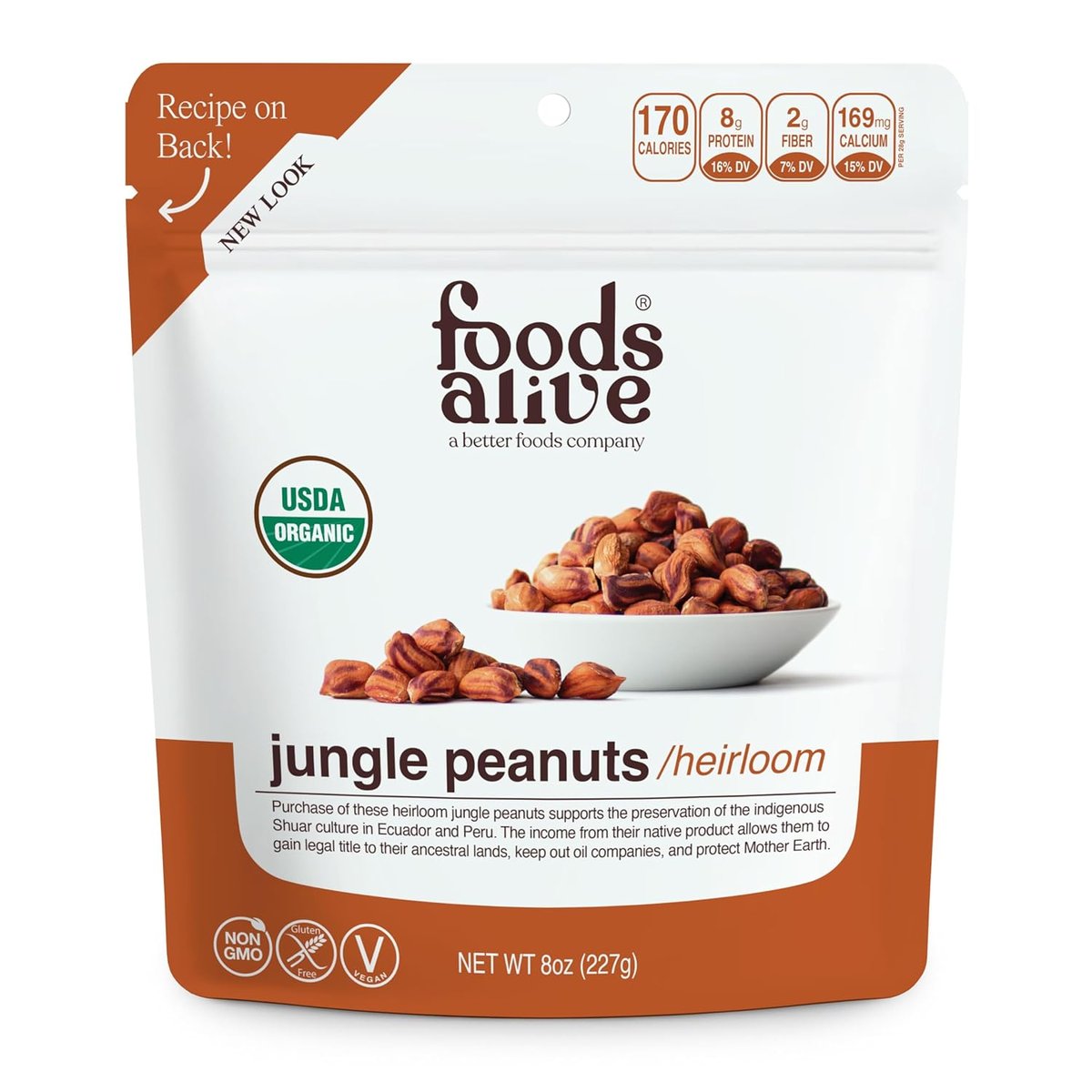
Our peanut list reflects three different sourcing models, and we deliberately chose one of each. The umbrella-retailer model is Nuts.com — strong on certification stack, strong on accessibility, with the trade-off of country-level rather than farm-level traceability. The direct-from-farm model is Hope & Harmony Farms — strong on traceability and named provenance, with the trade-off of conventional (not organic) growing. The specialty heirloom model is Foods Alive — strong on a wild, additive-free, exceptional supply chain, with the trade-off of an unverified producer aflatoxin claim. Each model serves a different shopper. The point of listing all three is to let you pick the trade-offs you actually want to make rather than picking the trade-offs for you.
At Bonham Brands, we believe families deserve to know what is actually in the food they eat — what is proven, what is unverified, and what is honestly unknown. Nuts.com Organic Raw Peanuts are a clean, certified, accessible organic raw peanut from a long-trusted family-owned retailer, with the specific gaps disclosed in full. We list them with their strengths stated plainly and their open questions honestly named. That balance is what the Gold Label is meant to mean.