Why We Chose It
The Bonham Conclusion
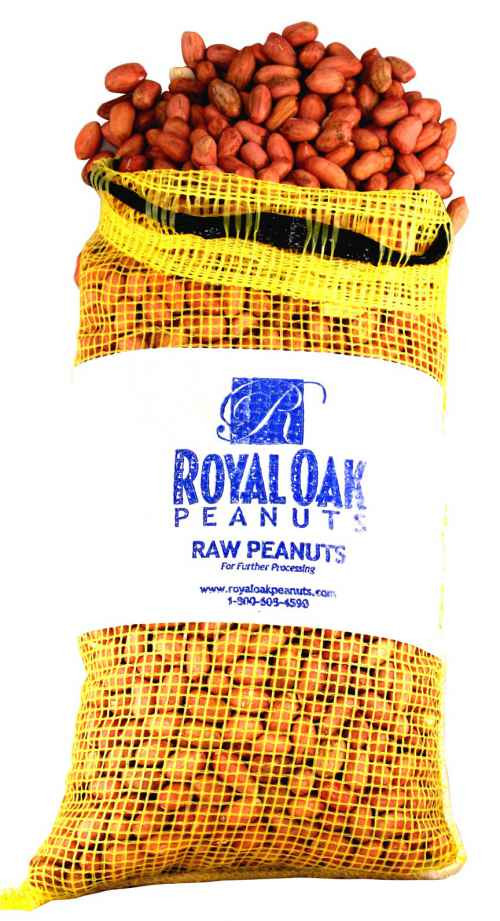
We chose Hope & Harmony Farms Raw Virginia Peanuts for something most peanuts cannot offer at any price: complete, farm-level traceability. These are genuinely raw, single-ingredient peanuts grown by the Pope family — fourth-generation farmers in Drewryville, Virginia, working land their family has farmed since the late 1800s. The operation was known for decades as Royal Oak Peanuts, the name still on the bag. When you buy these, you know exactly who grew them and where, down to a named family you could call. In a category built on anonymous commodity sourcing, that is rare.
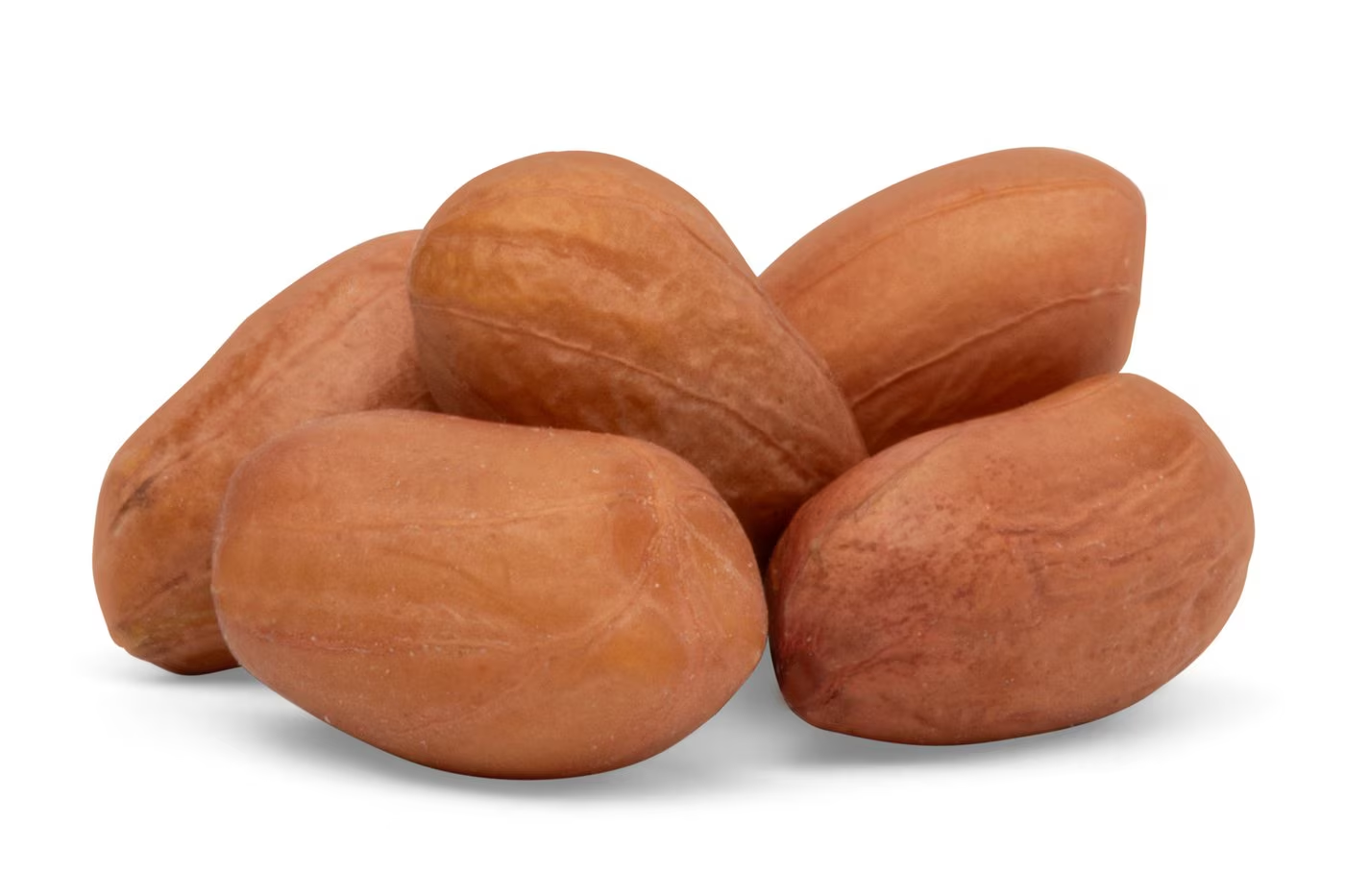
These are Virginia jumbo peanuts — the largest variety grown, long prized by gourmets for their size and flavor — sold raw with the red skins on. They are plucked from the earth at harvest, cured, and otherwise unaltered: one ingredient, no additives, no preservatives. They are also sold with a clear instruction that raw peanuts should be cooked before eating, which makes them ideal for home boiling or roasting. We appreciate a producer that states that directly rather than implying a raw peanut is a ready-to-eat snack.
Now the honest part, and it is the whole reason for this post's subtitle: these peanuts are non-GMO, but they are conventionally grown — not certified organic. Non-GMO is a claim about genetics, not about pesticides, and a conventional crop can be grown with synthetic herbicides. That is the real trade-off of choosing Hope & Harmony over one of our organic peanut picks, and we are not going to paper over it. Like all peanuts, these are also a ground crop that takes up trace cadmium, and no independent contaminant testing has been published for this specific product. We lay all of that out plainly below.
Despite those trade-offs, these peanuts earned the Bonham Gold Label — on a different axis from our organic picks. What they offer is provenance: a real, transparent American family farm you can see, name, and trust, and a genuinely raw, additive-free, single-ingredient product. For perspective, these are among the best traceable peanuts an American shopper can buy. Genuinely cleaner peanuts exist abroad — Australia's certified-organic, low-cadmium crop chief among them — but they do not distribute to the United States.
Who They Are
Hope & Harmony Farms — Four Generations of the Pope Family
Hope & Harmony Farms is a small, family-run peanut company in Drewryville, Virginia, in the heart of Southampton County. For decades it operated under the name Royal Oak Peanuts — the label still printed on the bag — before adopting the Hope & Harmony name. It is run by Jeffrey and Stephanie Pope, fourth-generation peanut farmers whose family has grown peanuts on this land since the late 1800s.
The farm spans several thousand acres and grows the Virginia jumbo peanut, the largest variety available and the one gourmets prize for its size and flavor. The Popes grow, harvest, and pack their peanuts themselves, and ship directly from the farm to the customer. There is no anonymous distributor in the middle and no question about origin — the grower and the seller are the same family.
That direct-from-farm model is the heart of why this product is here. Most peanuts you can buy are commodity peanuts pooled from many growers, with no way to trace a bag back to a field. Hope & Harmony is the opposite: single-origin, single-family, fully traceable. For a shopper who values knowing precisely where their food comes from — and supporting a multi-generational American family farm directly — that provenance is worth a great deal.
The product itself reflects the same plain-spoken approach: genuinely raw, a single ingredient, nothing added, and an honest label that tells you these peanuts are meant to be cooked. It is a straightforward food from people who have been doing this for well over a century.
Claims & Certifications
What Hope & Harmony Claims — And What Each One Actually Means
Independent Research & Lab Testing
What Has, and Hasn't, Been Independently Tested
We will be direct: no independent third-party laboratory has published a Certificate of Analysis for this product's pesticide, aflatoxin, or heavy-metal levels as of the date of this post. Lead Safe Mama, LLC — the primary independent testing organization we rely on at Bonham Brands — has not tested these peanuts, and the brand does not publish a public Certificate of Analysis for contaminant levels. Readers deserve to know the difference between a product we trust for its provenance and one that has been independently confirmed clean at the contaminant level through third-party testing. This is the former.
Two facts apply to every peanut, not just this one. First, because these are conventionally grown rather than organic, synthetic pesticide use is not prohibited, and without published residue testing we cannot tell you what, if anything, was used. Second, peanuts grow underground, and their roots take up trace heavy metals — especially cadmium — from soil. This is structural to the crop, not a defect of any farm. Independent testing by Lead Safe Mama has found measurable cadmium in every peanut and peanut-butter product it has tested.
What remains unknown is the specific measured level for this product, because no independent Certificate of Analysis exists, and we will not guess at numbers. Virginia soil's particular effect on metal uptake for this farm is likewise undocumented: there is no evidence it is lower, and no reason to assume it is higher, than other peanuts. We would rather mark these as honest unknowns than imply a precision we do not have.
The honest bottom line applies to every peanut we list: assume all peanuts carry some cadmium, because they are a ground crop and the testing that exists supports that. The only documented tested-low exception is Australia's Greenacres, grown under a national low-cadmium program — and it is not sold to US consumers. We would rather tell you this plainly than let any label imply a purity that no peanut can currently prove.
The Broader Picture
Non-GMO, Organic, and Why Knowing Your Farmer Still Matters
The distinction at the center of this post is one of the most consequential in the whole-foods aisle, and it is constantly blurred. Non-GMO and organic are not the same thing. Non-GMO certifies genetics only — that a crop was not genetically engineered. Organic certification is far more demanding: it prohibits synthetic pesticides and herbicides, including glyphosate, entirely. A conventionally grown, non-GMO peanut can still have been sprayed with synthetic crop chemicals. So when a label says "non-GMO," it is making a true and meaningful claim about genetics — but it is not the pesticide guarantee that organic provides. Anyone shopping for purity should hold those two ideas apart.
There is also the category-wide reality of heavy metals. Because peanuts are a ground crop, cadmium uptake is a feature of the crop rather than a brand's failing, and most of the peanut industry simply does not publish testing for it. That silence is the norm. We think the honest response is neither to pretend the issue away nor to fear-monger, but to disclose it plainly and let you weigh it — which is why this product carries its own full heavy-metals disclosure on its page.
So why choose a conventional, non-GMO peanut when we also list organic ones? Because purity is not the only thing that matters, and traceability is its own kind of value. With Hope & Harmony you are not trusting a certificate on an anonymous bag — you are buying from a named, fourth-generation family farm that grows, harvests, and ships its own crop, and tells you honestly what it is and how to prepare it. For many families, knowing exactly who grew their food, and supporting an American farm directly, is worth the organic trade-off. For others it is not — and that is exactly why we lay out both sides.
At Bonham Brands, we believe families deserve to know what is actually in the food they eat — what is proven, what is a trade-off, and what is simply unknown. Hope & Harmony's raw Virginia peanuts are a genuinely raw, single-ingredient food from people who have farmed the same land for over a century. We list them with their strengths stated plainly and their trade-offs disclosed in full. That balance is what the Gold Label is meant to mean.