Why We Chose It
The Bonham Conclusion
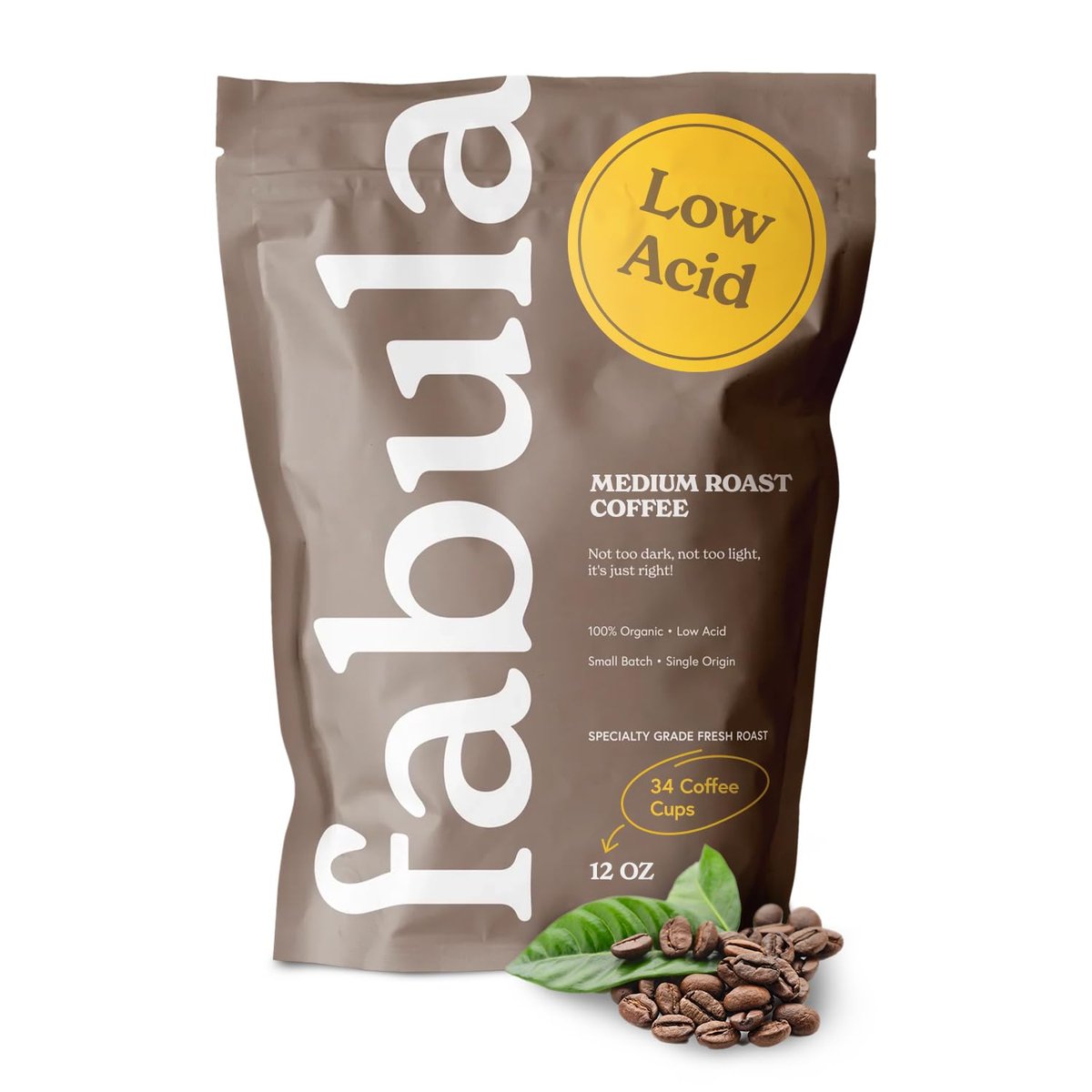
Fabula earns the Bonham Gold Label on the strength of the most rigorous independent consumer-organization testing record of any Amazon-available coffee we evaluated. Lead Safe Mama — the most trusted independent source for heavy metals testing on consumer food products — purchased Fabula off Amazon in April 2026, sent it to an accredited laboratory, and returned non-detect results for all four heavy metals: lead, cadmium, mercury, and arsenic. Mamavation, which uses EPA-certified laboratory partners and tests whole and ground beans directly rather than brewed coffee, independently found Fabula non-detect for PFAS, 500-plus pesticides, mycotoxins, mold, and yeast. No other Amazon-available coffee has been cleared by both organizations simultaneously. That double independent result is verifiable, public, and the strongest consumer-org testing record we have found on any coffee sold through Amazon.
The sourcing story behind Fabula reinforces the testing results. Their coffee comes from Cajamarca in the northern highlands of Peru, grown at up to 7,000 feet elevation in the Andes Mountains. The altitude is extreme by any standard — the growing conditions are difficult, the harvest is labor-intensive, and the results are exceptional. At that elevation, lower temperatures and a longer growing season allow the coffee cherry to ripen slowly and develop more concentrated, complex flavors. Crucially, the same conditions that produce better flavor also produce naturally lower acid — not through any chemical treatment, but through the fundamental biology of how the plant grows. High-altitude organic farming also naturally limits the heavy metal uptake and mold risk that affects lower-altitude, higher-density commercial crops.
We need to be honest about one gap: Fabula does not publish per-batch Certificates of Analysis on their website. Results are available on request and the brand confirms they test every batch for 350-plus contaminants. We have verified the testing through Lead Safe Mama and Mamavation — both organizations tested the finished product independently. But if you are a customer who wants to download raw lab certificates directly, Fabula cannot offer that the way Holistic Roasters can. We score this gap honestly in our evaluation and disclose it here. It does not disqualify the product — the independent verification is real — but it is a transparency note our customers deserve to see.
Who They Are
Fabula Coffee — Born on a Mountainside in Peru
The Fabula story starts with an experience. The founders were in the mountains of Peru when they tasted what they describe as the cleanest, purest cup of coffee they had ever had — and came home unable to find anything remotely like it. That frustration became a mission: to source that quality of coffee, make it available at an accessible price, and build the testing and certification framework that would prove its cleanliness. Fabula is the result.
Their sourcing is specific and traceable. The flagship coffee — the one Lead Safe Mama and Mamavation tested — comes from Cajamarca, Peru, sourced from Café Solidarios, a cooperative founded in 2000. The founding story of the cooperative is worth knowing: it was formed by smallholder farmers who banded together in direct response to mining companies encroaching on their farmland. What began as producers standing in solidarity to protect their land has grown into a large cooperative that now supports hundreds of producers throughout the region. Buying Fabula means buying from that cooperative and that history.
The bean itself is the Caturra varietal — a traditional Arabica cultivar that has been grown in Latin America for generations. Fully washed processing means the coffee cherry is removed with water before drying, which produces a cleaner, brighter cup profile and eliminates the fermentation variability that affects naturally-processed coffees. Small-batch roasting to order means the beans are not sitting in a warehouse after roasting — Fabula roasts on an ongoing basis and ships immediately, so what arrives at your door is genuinely fresh.
The certification stack is substantial: USDA Organic certified by CCOF (California Certified Organic Farmers, one of the most respected certifying agencies in the country), Fair Trade certified, Non-GMO certified, and Kosher certified. This is a brand that built compliance into its infrastructure, not bolted it on as marketing.
Claims & Certifications
What Fabula Claims — And What Each One Actually Means
Independent Research & Lab Testing
What Lead Safe Mama and Mamavation Found
Lead Safe Mama — April 2026: Tamara Rubin, founder of Lead Safe Mama LLC, purchased Fabula Organic Whole Bean Coffee directly from Amazon and sent it to an accredited laboratory for XRF and ICP-MS testing covering lead, cadmium, mercury, and arsenic. Results: non-detect across all four heavy metals. The full report is published at tamararubin.com and Fabula is currently listed on the Lead Safe Mama Lab-Tested Safer Choices List. Lead Safe Mama purchases products at retail without brand involvement and publishes all results regardless of outcome — positive and negative. Their track record includes publishing failing results for brands that paid for testing. The clean result for Fabula is not a sponsored outcome.
Mamavation — Independent coffee testing: Mamavation tested Fabula using EPA-certified laboratory partners for 40 PFAS analytes, 500-plus pesticide compounds, mycotoxins, mold, and yeast. Critically, Mamavation tests whole or ground beans directly rather than brewed coffee — which means any contaminants present in the bean itself are captured at full concentration, not diluted through brewing. Fabula returned non-detect results across every category tested. The full Mamavation coffee testing article is published at mamavation.com.
Why the double clearance matters: Lead Safe Mama and Mamavation test for different categories using different protocols and different laboratories. Lead Safe Mama's focus is heavy metals. Mamavation's focus is PFAS, pesticides, and biological contaminants. Together they cover the full spectrum of meaningful contaminant risk in coffee. A coffee that passes both has been tested more comprehensively than most certified organic coffees are ever tested by any organization. Fabula is the only Amazon-available coffee we found with clean results from both.
"Fabula is the only Amazon-available coffee cleared by both Lead Safe Mama and Mamavation — the two most rigorous independent consumer testing organizations in the clean-food category. Together they cover heavy metals, PFAS, 500-plus pesticides, mycotoxins, mold, and yeast."
Sources: Lead Safe Mama — Fabula test report, April 2026 · Mamavation coffee testing report
The Broader Picture
Why Independent Consumer-Org Testing Is the Most Trustworthy Standard in Coffee
Brand-funded testing has a conflict of interest problem. When a company pays for its own testing and chooses whether to publish the results, the publication decision becomes a filter. Brands have every financial incentive to publish clean results and withhold problematic ones. Most "tested and certified clean" claims in the coffee industry are built on exactly this model — the brand commissions the test, receives the results, and decides what to share. There is no mechanism forcing disclosure of a result the brand doesn't like. This is not a hypothetical concern. Multiple clean-coffee brands have declined to publish specific test results when contacted by independent reviewers, citing proprietary status.
Lead Safe Mama and Mamavation operate outside that system. Both organizations purchase products at retail, fund their own testing, and publish every result — including the ones that hurt brands. Lead Safe Mama has published failing results for large, well-funded food companies. Mamavation has identified PFAS and pesticide contamination in products whose brands specifically claimed to be clean. Their credibility comes precisely from the fact that they are not accountable to the brands they test. A clean result from either organization is meaningful because a failing result would have been published just as readily.
For families buying coffee on Amazon, this distinction is everything. You cannot walk into a roaster's facility, examine their supply chain, or verify their internal test protocols. What you can do is trust independent organizations that have demonstrated a consistent track record of publishing honest results and whose methodology is documented and reproducible. For Amazon-available coffee, the Lead Safe Mama and Mamavation clearances are the strongest available evidence of product safety. Fabula has both. That is why it is on Bonham Brands.