Why We Chose It
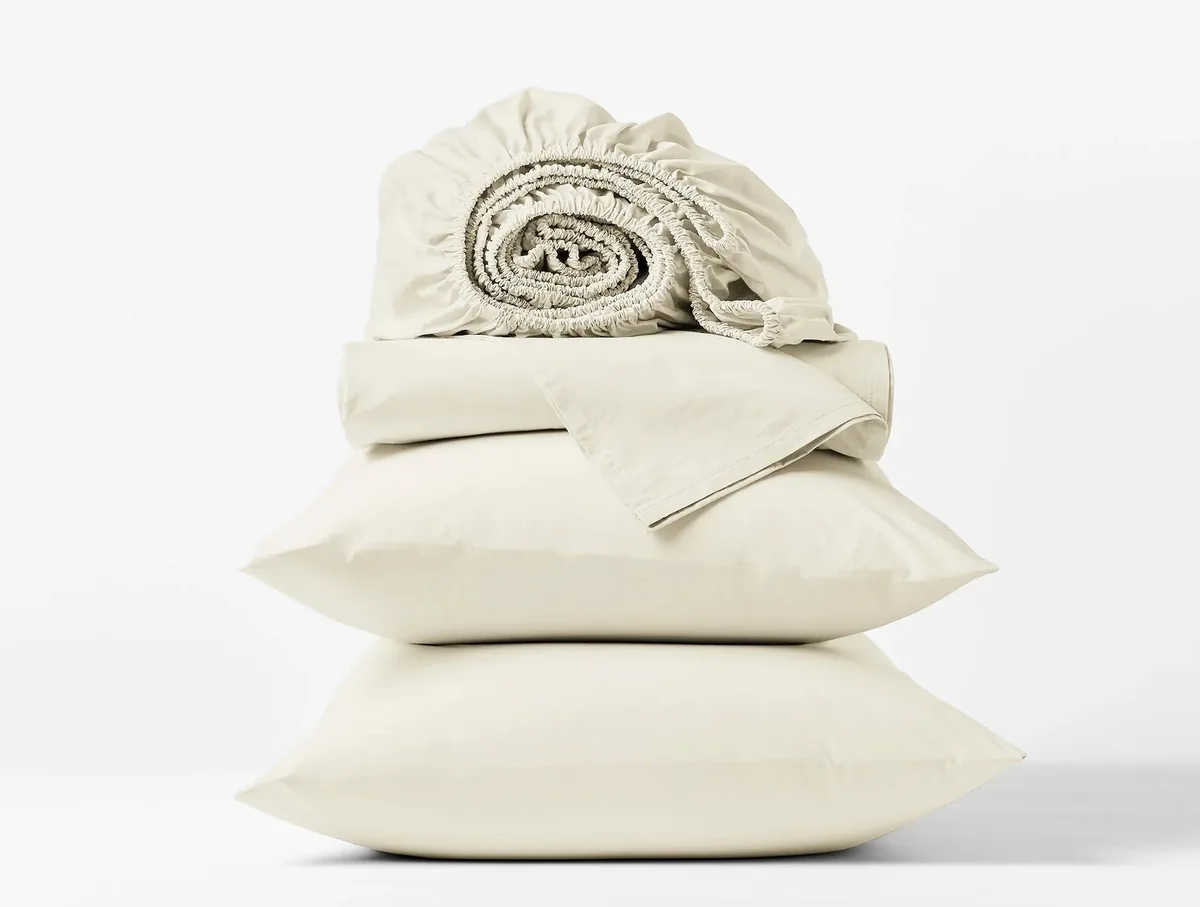
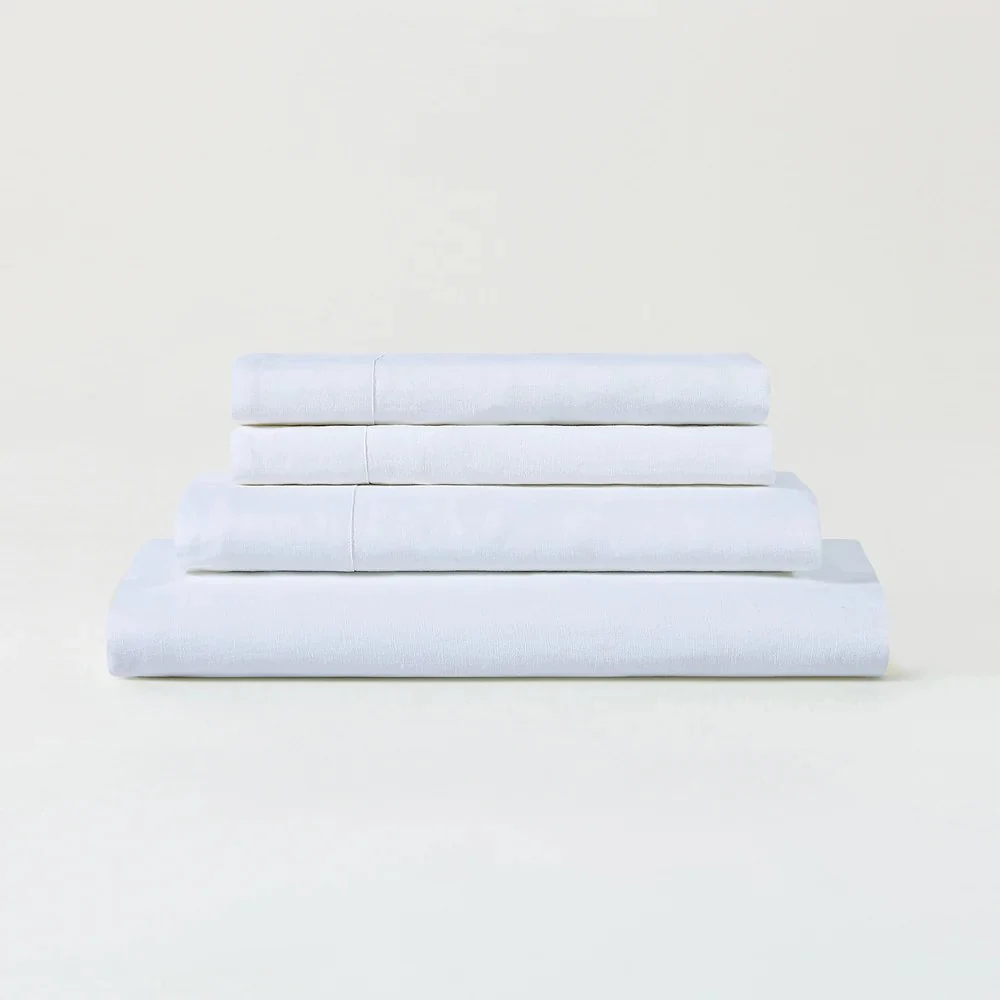
In the dyed lane, our question changes. An undyed sheet wins by subtraction — nothing added, little to verify. A dyed sheet has chemistry by definition, so the honest question becomes: how thoroughly is that chemistry vetted? No bedding brand we evaluated answers it more completely than Avocado, whose percale carries four independent audits — GOTS on the farming and dye inputs, MADE SAFE screening the chemistry of record against 6,500-plus substances, OEKO-TEX laboratory-testing the finished dyed fabric, and B Corp auditing the company itself.
The OEKO-TEX layer decided this slot. Process certifications tell you what was supposed to happen in production; finished-fabric testing tells you what's actually in the cloth that reaches your bed. For a dyed product that distinction is everything. We disclose the rest plainly: the dyes are certified and tested but not natural or plant-based, the cotton is grown in India, and no consumer-lab report beyond the certification testing exists.
Who They Are
Avocado built its name on organic mattresses and brought an unusual asset into bedding: existing relationships with certified-organic material suppliers, and a habit of publishing its supply-chain partners by name. The cotton in this percale is traceable to its source in India — each bale numbered from farm intake through processing — a level of openness most textile brands never attempt.
The company collects credentials the way others collect color swatches — Climate Neutral certified, B Corp, plastic-free packaging — and while we weight only the purity-relevant ones in our scoring, the pattern matters: this is a company that volunteers for scrutiny across every dimension of its business. That's the corporate temperament our standard trusts.
Claims & Certifications
GOTS — Global Organic Textile Standard (Control Union, CU863637)
Avocado's GOTS certification, issued by Control Union under license CU863637, verifies the cotton is organically grown from non-GMO seed and audits every processing facility — including the dyehouse, where inputs are restricted to GOTS-approved low-impact chemistry. The license number is public and traceable, and the certification covers the finished product, not merely the raw fiber.
MADE SAFE
MADE SAFE screens every input in the product — the dyes included — against a database of more than 6,500 substances known or suspected to harm human health, covering categories like endocrine disruptors that other textile standards don't reach. It's an ingredient screening rather than a fabric test, which is exactly why it pairs so well with the next certification.
OEKO-TEX Standard 100
OEKO-TEX Standard 100 laboratory-tests the finished, dyed fabric — the actual cloth — against limits for hundreds of harmful substances. This is the differentiator in the dyed lane: after the farming was audited and the inputs were screened, the end fabric was still put through a lab. Testing occurs within a certification program rather than as a public batch report, and we present it with that precision.
Independent Research & Lab Testing
No report on this product exists from Lead Safe Mama, LLC (tamararubin.com) or Mamavation (mamavation.com). The laboratory testing that does exist lives inside the OEKO-TEX certification — real lab work against published substance limits, but not a public batch-level certificate of analysis, and we keep that distinction visible.
What we can independently confirm is unusual in itself: the GOTS license is public and traceable, the supply-chain partners are published by name, and the packaging is plastic-free — verified by independent review rather than only the brand's claim. Stack those confirmations together and this is the most externally checkable dyed sheet we evaluated.
The Broader Picture
“Wrinkle-free” is the bedding industry's most innocent-sounding red flag. In conventional sheets it almost always means a formaldehyde-based resin baked into the fabric — chemistry classified as a human carcinogen, off-gassing for the product's life — and it sits alongside stain-proofing built on PFAS and dyes nobody itemizes. The dyed-sheet market doesn't have a chemistry problem at its margins; chemistry is the product.
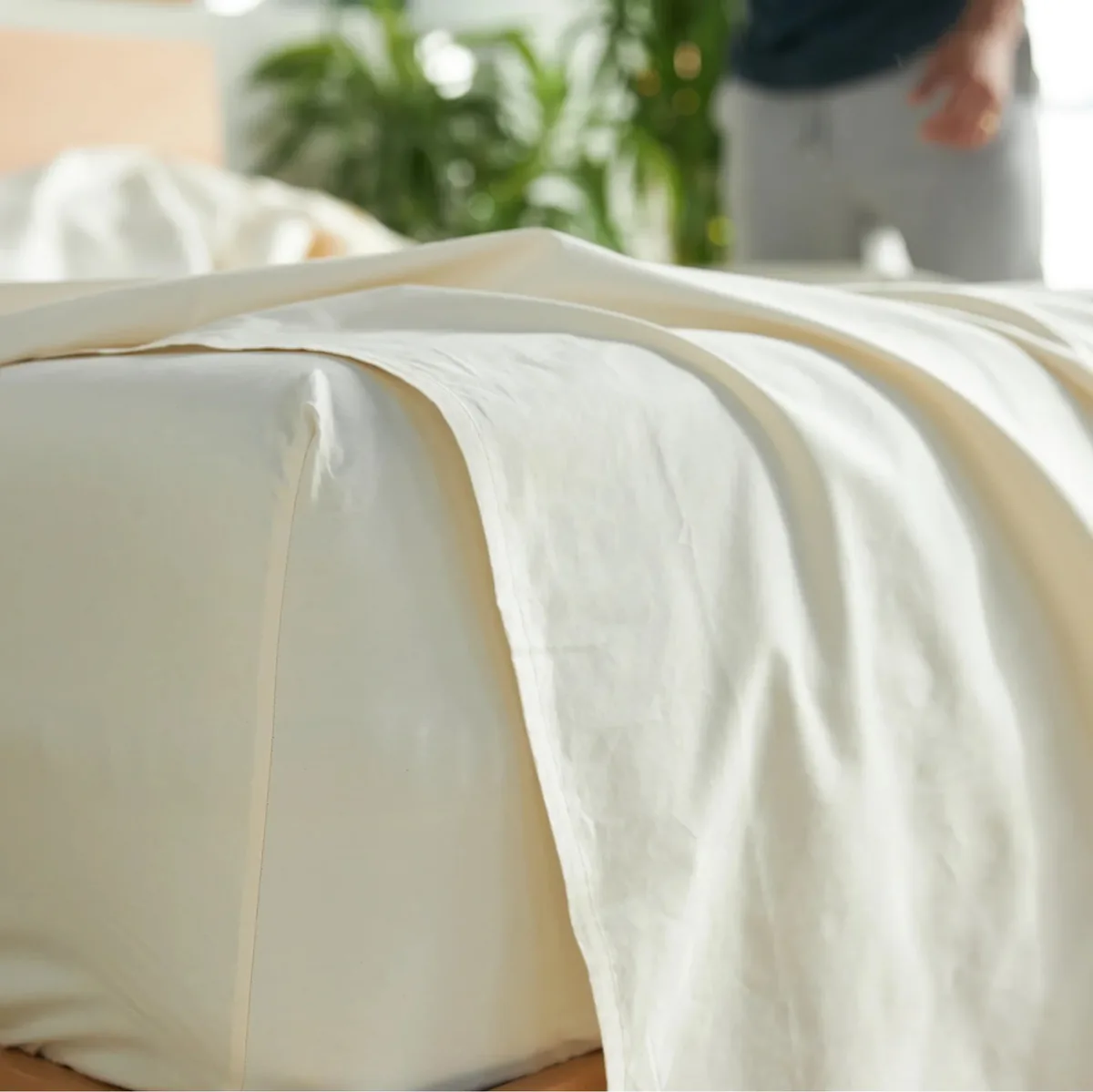
The way out isn't pretending dye can be chemistry-free — it's demanding the chemistry be named, restricted, screened, and then tested in the finished cloth. That's four separate demands, and this sheet is the rare one that meets all four through four separate auditors. Its wrinkle resistance, for the record, comes from the percale weave itself — geometry, not resin — and the difference between those two sentences is the whole reason this site exists.