Why We Chose It
The Bonham Conclusion
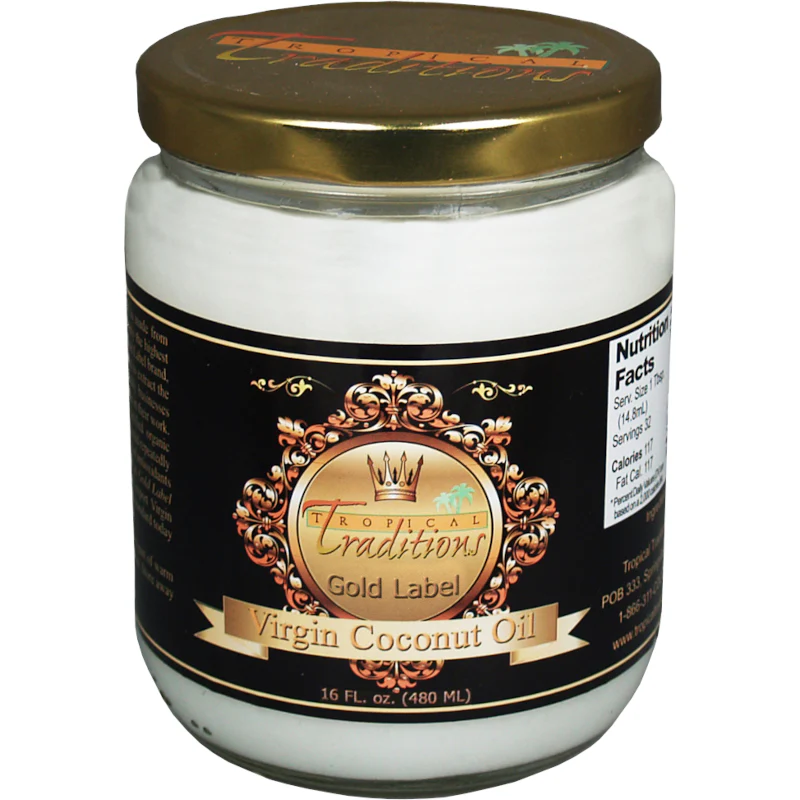
We chose Tropical Traditions Gold Label Virgin Coconut Oil because it is the most natural, most traditionally produced coconut oil we found — and because the method used to make it is fundamentally different from every other option in this category, including the other coconut oil on this site.
The Gold Label designation at Tropical Traditions is not a marketing term. It refers specifically to oil pressed from fresh coconuts within 24 to 48 hours of harvest using a traditional wet-milling process — shredding fresh coconut meat, combining it with the water from inside the coconut, allowing the oil to naturally separate over several hours, and filtering without heat, chemicals, or mechanical pressing. The result is an oil that retains its full natural antioxidant profile, its characteristic coconut flavor and aroma, and the nutritional integrity of a food that has not been dried, stored, or mechanically stressed before extraction.
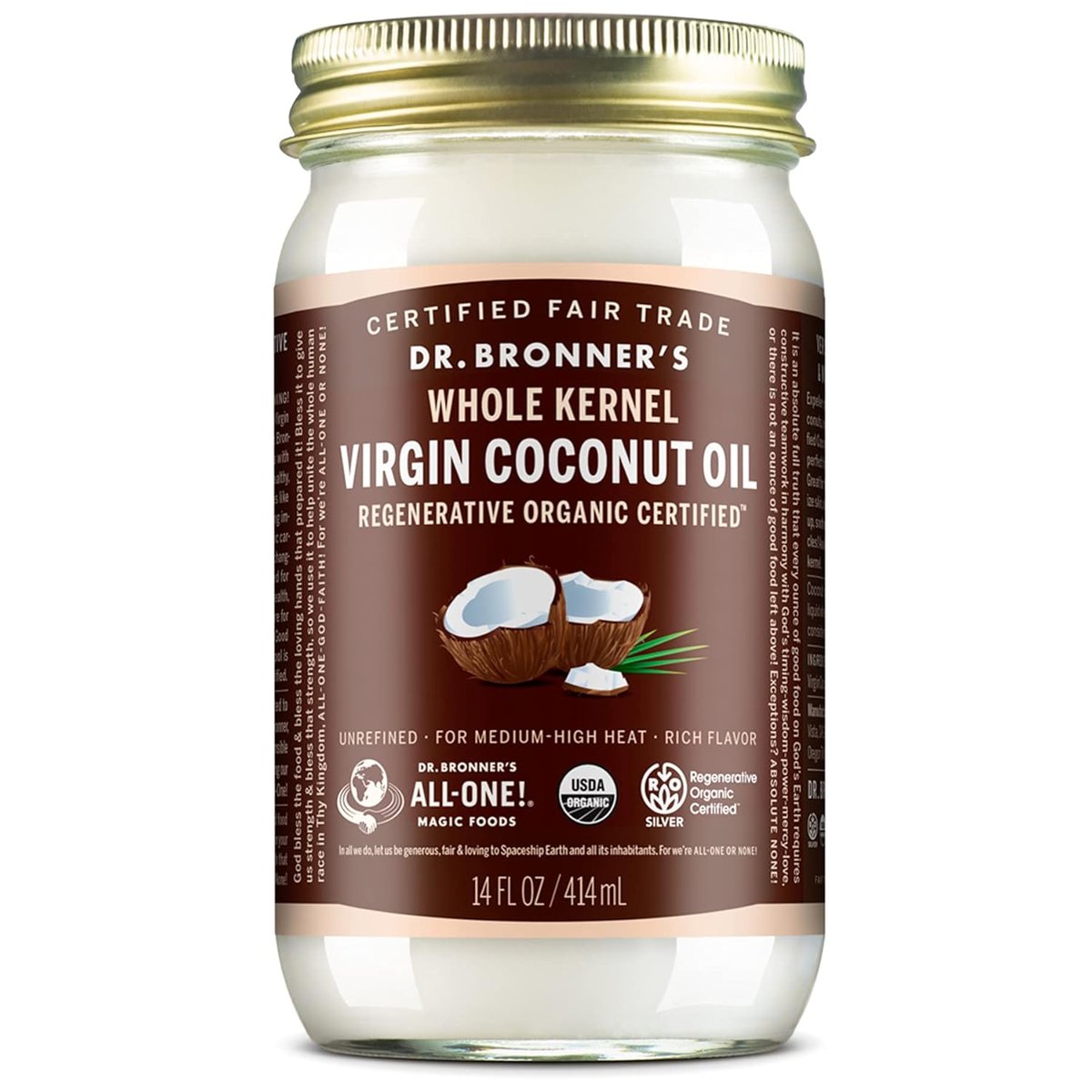
We want to be equally clear about what this oil does not have: independent third-party lab testing for heavy metals, phthalates, or other contaminants from sources like Lead Safe Mama or Mamavation. Its glyphosate testing program is rigorous — batch-level, zero tolerance — and its USDA Organic certification provides meaningful assurance. But if independently verified lab documentation across the full contaminant spectrum is the deciding factor for your family, that is where Dr. Bronner's holds the advantage. Both oils earn the Bonham Gold Label. They earn it for different reasons, and we think you should know exactly why.
Who They Are
Tropical Traditions — Where the Oil Actually Comes From
Tropical Traditions sources their Gold Label coconut oil exclusively from small family farms on the volcanic slopes of Mt. Banahaw in Quezon Province, Philippines. The region is among the most naturally fertile growing environments for coconut palms in the world — volcanic soil, equatorial climate, consistent rainfall, and no industrial agriculture in the surrounding area. These are not commodity farms. They are small, multi-generational operations where coconut cultivation has been the primary livelihood for over a century.
The production process is the defining feature. Within 24 to 48 hours of a coconut leaving the tree, it is shredded fresh, its meat combined with the natural coconut water inside, and the resulting coconut milk is allowed to stand until the oil naturally rises and separates on its own. This wet-milling method is how Filipino families have made coconut oil for generations — before commercial processing, before expeller presses, before copra. It requires more labor, more time, and a much tighter harvest-to-press window than any other method. That constraint is exactly what makes it superior. No heat is introduced at any stage. The oil that results is as close to the coconut itself as it is possible to get in extracted form.
On testing and transparency: Tropical Traditions runs their own internal batch-level glyphosate testing program with a zero-tolerance standard — any batch that tests positive is not sold. Their producers are GMP (Good Manufacturing Practice) certified and re-certified annually. What they do not have is publicly available independent third-party heavy metals or phthalate testing. Their internal program is credible in structure, but it cannot be independently verified by the same standard as published Lead Safe Mama or Mamavation reports. We disclose this plainly on the product page and here.
What Makes This Oil Different
The 24–48 Hour Standard — And Why It Matters
Independent Research & Lab Testing
What We Know — And What We Do Not
Glyphosate: Tropical Traditions operates their own internal glyphosate testing program with zero-tolerance enforcement at the batch level. This is credible in structure — each production run is tested before sale. However, these are internal results and are not published as publicly accessible lab reports in the same way that Lead Safe Mama or The Detox Project certifications are. We take them at their word on the program structure, but we cannot independently verify them.
Heavy metals: No independent third-party heavy metals testing has been found for Tropical Traditions Gold Label from Lead Safe Mama, the Clean Label Project, or any equivalent public testing body. This is the primary transparency gap for this product. The USDA Organic certification, the volcanic soil sourcing, and the traditional processing method are all positive indicators — but none of them constitute independent lab verification. We disclose this clearly and without softening it.
Phthalates: Tropical Traditions was not included in Mamavation's seven-brand phthalate study of coconut oils. No independent phthalate data exists for this product. Glass packaging meaningfully reduces exposure risk from the container, but the oil itself has not been tested. Unknown status, not confirmed safe.
"The most natural extraction method available. The tightest harvest-to-press window in the category. Glass packaging across every size. The one honest gap: no independent third-party heavy metals or phthalate testing on public record."
We review published lab results and independent investigator findings. We are not a laboratory and do not conduct our own testing. Where independent lab data does not exist for this product, we say so explicitly rather than implying safety we cannot verify.
The Broader Picture
Why the Method of Extraction Is Worth Understanding
The coconut oil category is one of the most marketing-saturated in the natural food industry. Terms like "cold-pressed," "raw," "extra virgin," and "unrefined" are applied inconsistently and sometimes interchangeably — without agreed industry definitions or enforcement. A bottle labeled "cold-pressed" may still be made from dried copra that was pressed mechanically at temperatures that technically qualify as cool but are still far removed from any fresh or raw standard. Understanding the actual extraction method matters more than any label claim.
Wet-milling from fresh coconuts is categorically different from expeller-pressing dried coconuts — not marginally, but fundamentally. The freshness window determines how much of the original antioxidant content survives into the final oil. Independent laboratory analysis has found that traditionally wet-milled virgin coconut oils contain significantly higher concentrations of phenolic antioxidants than expeller-pressed oils made from the same variety of coconut. Those antioxidants — primarily polyphenols and tocopherols — are responsible for the oil's oxidative stability, its flavor, and many of its documented health properties. Pressing from dried copra, however carefully done, cannot replicate what pressing within 24 to 48 hours of harvest produces.
The tradeoff is practical: expeller-pressed oils like Dr. Bronner's have a higher smoke point and are more forgiving for everyday cooking at moderate to high heat. Wet-milled oils like Tropical Traditions Gold Label are better suited to lower-heat applications, raw use, and topical use — where the full antioxidant and nutrient profile matters most. Neither is universally superior. They serve different priorities, and we carry both for that reason.
"Wet-milled from fresh coconuts within 24 to 48 hours of harvest, in glass, with batch-level glyphosate testing and zero tolerance. For families who prioritize the most natural form of the product, this is the Gold Label standard."