Why We Chose It
The Bonham Conclusion
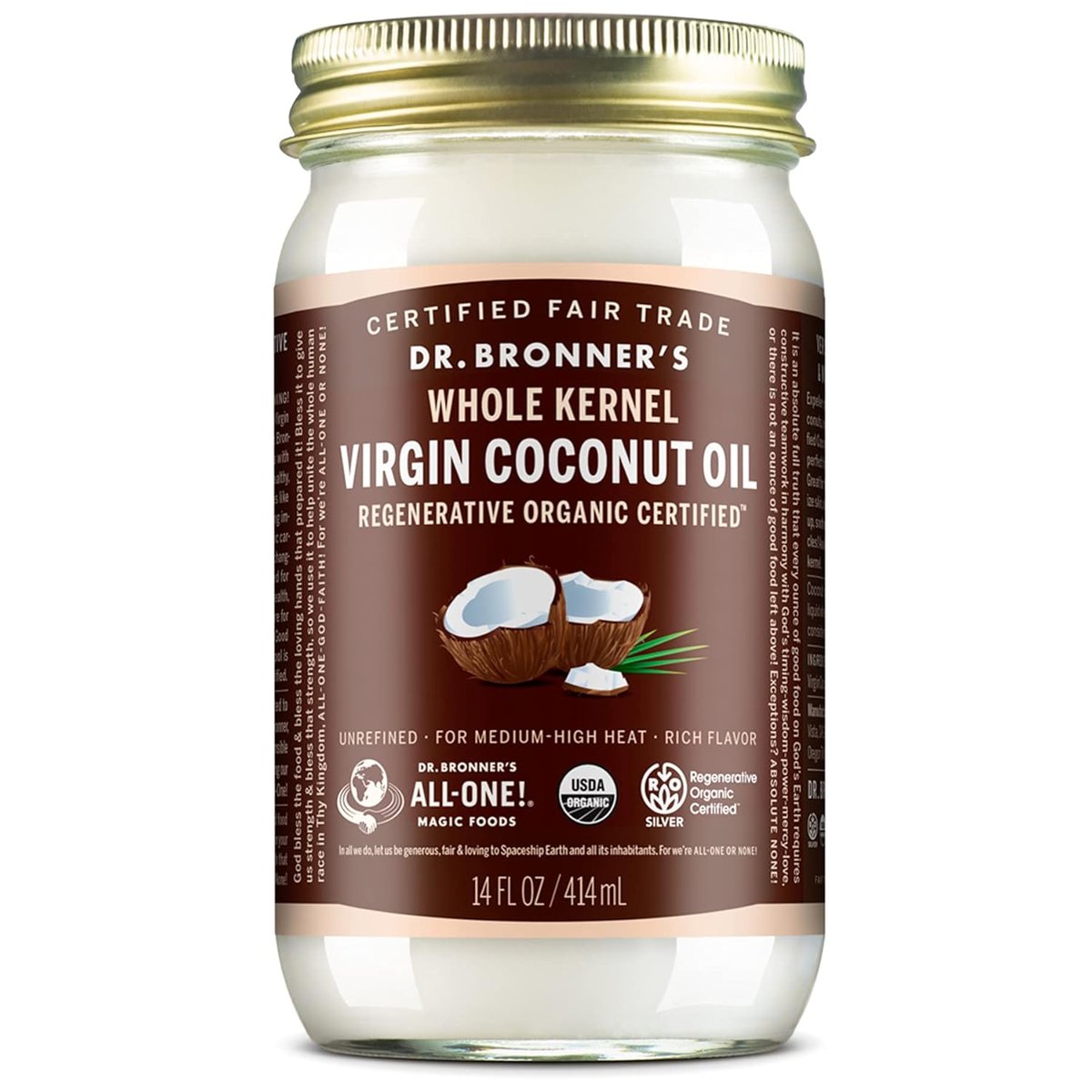
We chose Dr. Bronner's Organic Whole Kernel Virgin Coconut Oil because it is the most independently verified coconut oil we found — and in a category where the testing data reveals real, documented contamination concerns across every brand studied, that is not a small distinction.
Lead Safe Mama, LLC independently tested this exact product in August 2025 and returned non-detect results for lead, cadmium, mercury, and arsenic, placing it on their publicly available Lab-Tested Safer Choices list. The White Kernel variant was tested separately in January 2025 with identical results. Mamavation's independent study of seven popular coconut oil brands, conducted through an EPA-certified laboratory, found phthalates present in every single brand — but Dr. Bronner's measured the lowest contamination of the entire group, while other brands reached levels as high as 1,300 parts per billion.
That combination — clean heavy metals results and the lowest phthalate contamination in an industry-wide study — is the foundation of this Gold Label. Layered on top of that is a Regenerative Organic Certification, USDA Organic and Non-GMO Project Verified status, Fair Trade certification, and a fully owned supply chain through their sister company Serendipol in Sri Lanka. We looked hard at this category. No other brand came close on verified, publicly documented evidence.
Who They Are
Dr. Bronner's — A Supply Chain You Can Actually Trace
Most coconut oil is purchased through commodity brokers. The brand on the label often has no visibility into how the coconuts were grown, who grew them, or what conditions existed between farm and processing facility. Dr. Bronner's built a different model. Their coconut oil is produced through Serendipol — their own sister company, built and operated in Sri Lanka's coconut triangle — giving them direct oversight of farming practices, worker conditions, Fair Trade compliance, and processing from field to jar.
Serendipol works with over 1,200 farmers and employs more than 250 workers and professional staff at their production facility. Their farmers are implementing regenerative organic practices — mulching, composting, and intercropping — that enrich soil health, promote biodiversity, and sequester atmospheric carbon. A Fair Trade Fund channels money into community-led projects covering health, sanitation, education, and infrastructure for rural Sri Lankan communities. These are not marketing claims printed on the label. They are the documented structure of how the oil is made and where the money goes.
The oil itself is expeller-pressed from carefully dried coconut kernels — single ingredient, unrefined, with no bleaching, no deodorizing, no chemical solvents, and no additives of any kind. We recommend the Whole Kernel variant specifically. Dr. Bronner's retains the brown inner skin of the coconut during pressing, which results in higher levels of phenolic antioxidants and carotenoids compared to the White Kernel. It is the more complete, more nutritious of their two offerings — and it is the one with the most recent independent testing on record.
What Dr. Bronner's Has Actually Earned
Certifications That Mean Something
Independent Research & Lab Testing
What Outside Investigators Found
Lead Safe Mama — August 2025 (Whole Kernel): Lead Safe Mama, LLC independently tested Dr. Bronner's Regenerative Organic Whole Kernel Coconut Oil and reported non-detect results for lead, cadmium, mercury, and arsenic at the laboratory's lowest detection thresholds. The product was immediately added to their Lab-Tested Safer Choices list. The full report is published at tamararubin.com — Whole Kernel Lab Report.
Lead Safe Mama — January 2025 (White Kernel): The White Kernel variant was tested earlier in 2025 with identical non-detect results for all four heavy metals. That report is also publicly available at tamararubin.com — White Kernel Lab Report.
Mamavation phthalate study: Mamavation commissioned an EPA-certified laboratory to test seven popular coconut oil brands for phthalates. Every single brand tested positive. This does not appear to be a farming or sourcing problem — it appears to be an industry-wide issue originating in processing environments and packaging materials. Among all seven brands tested, Dr. Bronner's measured the lowest phthalate contamination. Some brands measured as high as 1,300 parts per billion. The full study is at mamavation.com — Coconut Oils and Phthalates.
"All seven coconut oil brands tested by Mamavation contained phthalates. Dr. Bronner's measured the lowest contamination of any brand in the study — while other brands reached levels as high as 1,300 parts per billion."
Source: Mamavation, Coconut Oils Tested for Toxic Phthalates. Raw data behind membership paywall; Mamavation confirmed Dr. Bronner's as lowest of all brands tested. We review published lab results and independent investigator findings. We are not a laboratory and do not conduct our own testing. All primary sources are linked above for your own review.
Our Honest Assessment
What This Oil Is — And Where We Are Being Transparent
We want to be clear about two things before you buy, because Bonham Brands does not recommend products by omitting the parts that complicate the picture.
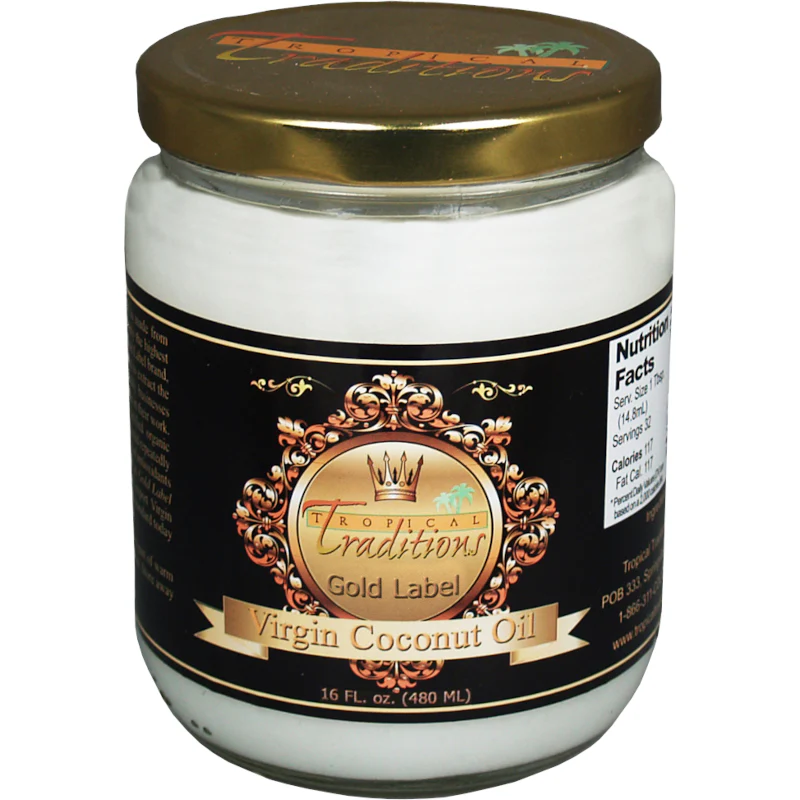
First, expeller-pressing is not the most natural extraction method available for coconut oil. It is mechanical — no chemical solvents, no refining agents — but the pressing process does generate modest friction heat, typically in the range of 100 to 120 degrees Fahrenheit. The coconuts are also dried before pressing rather than used fresh from harvest. These two factors place Dr. Bronner's one step below the most natural extraction methods — specifically the traditional wet-milling process used by Tropical Traditions Gold Label, which presses fresh coconuts within 24 to 48 hours of harvest with no applied heat at all. The practical tradeoff is a meaningfully higher smoke point, making Dr. Bronner's the more versatile cooking oil for moderate to high heat applications like sautéing, stir-frying, and baking.
Second, the Amazon listing ships in PET plastic containers. PET is considered lower-risk than BPA-containing plastics, but for a fat-soluble product like coconut oil — which has a higher theoretical affinity for leaching from plastic than water-based products — glass is the better container. Dr. Bronner's sells the same oil in glass jars directly at drbronner.com. If glass packaging is a priority for your family, that is where we recommend purchasing. The oil is the same. The container is not.
"The most independently tested coconut oil we found. Two separate Lead Safe Mama reports. Lowest phthalate contamination in a seven-brand study. And a certification stack — Regenerative Organic, USDA Organic, Non-GMO Project Verified, Fair Trade — that no other brand in this category has matched."